
Welcome to the FDFA: Diplomacy for Switzerland
The FDFA safeguards Switzerland's foreign policy interests. It maintains relations with other states and international organisations such as the EU and UN, and provides services for Swiss citizens abroad. It is also responsible for Switzerland's development cooperation and humanitarian aid. Switzerland maintains a global presence through its approximately 170 representations.
Entry, departure and emigration

Travelling abroad as a Swiss citizen
Information about your destination country, such as travel advice, contact details and general travel information.

Living or working abroad as a Swiss citizen
Information on services for Swiss citizens abroad, on their rights and obligations, and on how they can remain connected with Switzerland.

Travelling to Switzerland as a foreign national
Information about your travel to and stay in Switzerland, as well as entry and visa requirements.
Current topics
Key topics from the FDFA

Head of Department Ignazio Cassis
Welcome to the FDFA! Message from Federal Councillor Ignazio Cassis, his speeches and the milestones of his political and professional career in brief.

Switzerland assumes OSCE chairpersonship in 2026
In 2026, Switzerland assumes the chairpersonship of the Organization for Security and Co-operation in Europe (OSCE) for the third time, following its previous terms in 1996 and 2014.
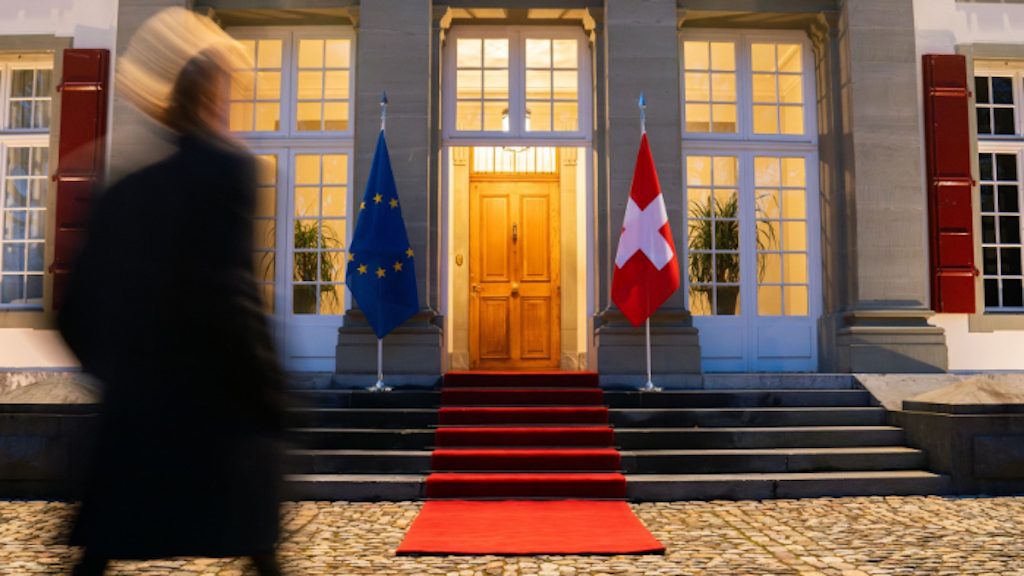
Switzerland's European policy
Switzerland and the European Union have substantively concluded the negotiations on the basis of the package approach.

International Geneva
Switzerland is strengthening International Geneva – a hub of multilateralism where humanitarian values, innovation and global solutions come together.

Travel Admin
Information and round-the-clock assistance worldwide – travel carefree with the FDFA's new travel app in your pocket.