
Concours 2026: “Our home has followed us”
The application window for the FDFA's transferable careers competitive selection process has been open since 22 May 2026. This three-part series has been devised to give you an overview of transferable careers. In this second article, two FDFA employees recount their experiences and give an insight into what it means to change job and place of residence every three to four years.
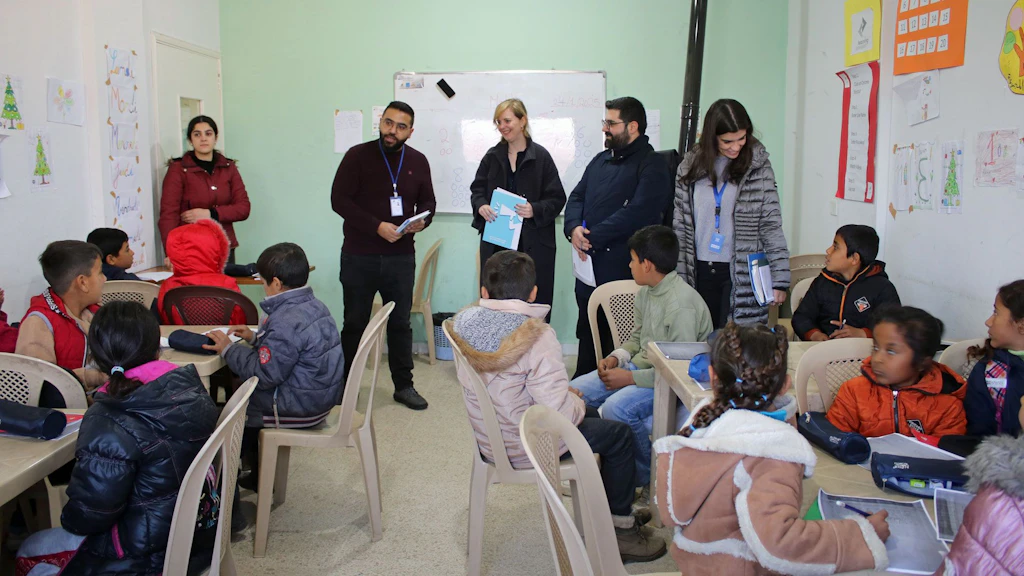
Employees on the FDFA's consular or diplomatic career and international cooperation career paths are deployed worldwide, to France, Mexico or India, for example, but also to challenging contexts such as in Lebanon or Egypt. As different as the locations are, the Swiss representations there all pursue the same goal: promoting and safeguarding Switzerland's foreign policy interests. Every three to four years, they are transferred to a new post in Switzerland or abroad, sometimes in countries classified as difficult or very difficult contexts. These regular changes are a challenge for both the transferable staff and the people accompanying them, but at the same time bring valuable personal and professional experience. We asked Lyne Calder and Andhina Irminger about their personal experiences with the transfer regime.
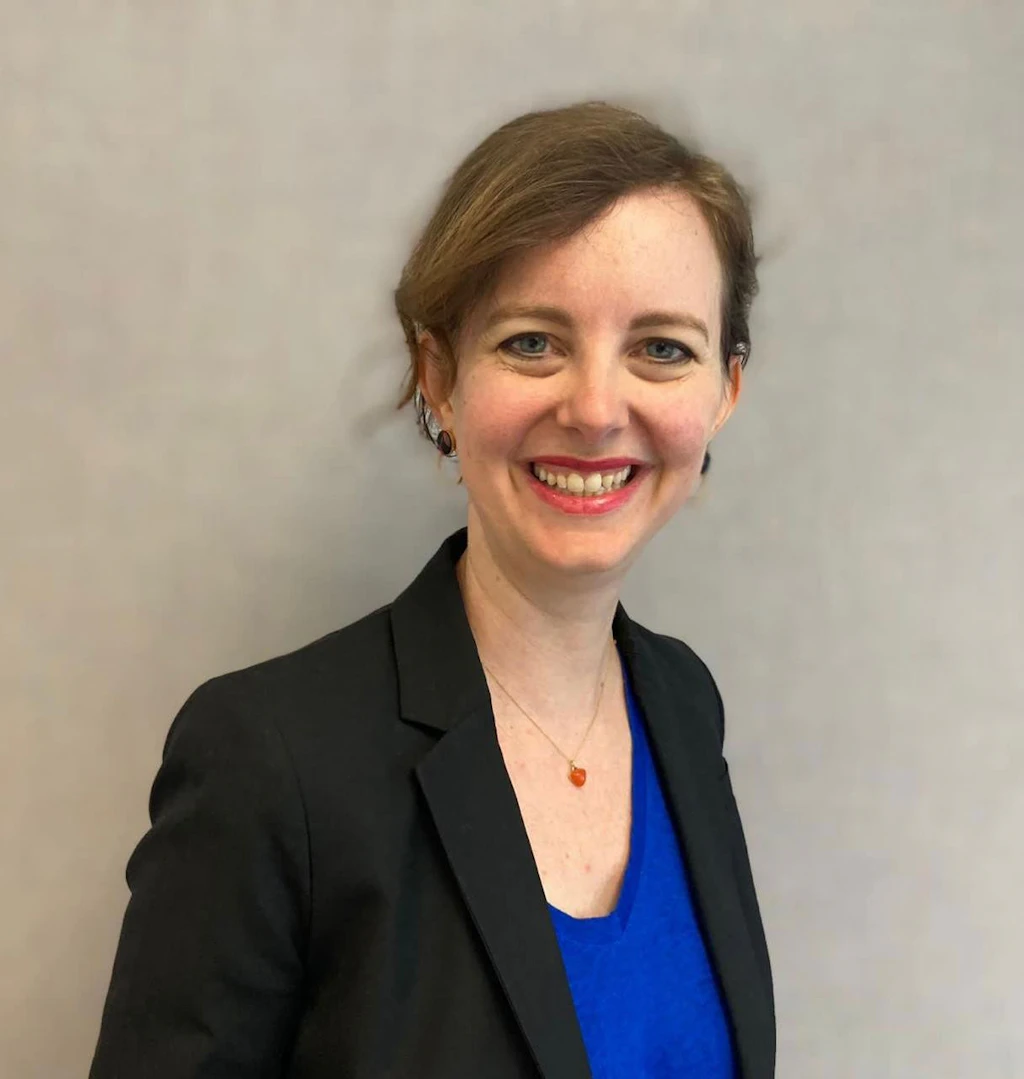
Lyne Calder
How would you explain your job to someone who isn't already familiar with it?
I work for the Swiss government in international cooperation. In concrete terms, my work in Lebanon entails selecting and monitoring humanitarian and development programmes funded by Switzerland. With my colleagues in the cooperation office, we make sure that the programmes are efficient and effective, and that they meet the needs of the poorest and most disadvantaged. To do this, I visit the partners on site, meet with local authorities, representatives from the UN and other embassies, and the people who directly benefit from the programmes. All this while living in an intense and fascinating context!
You are currently stationed in Beirut. Was that your choice? If so, why?
Yes, Beirut was one of my first choices and I was very happy to get it. I wanted a complex environment, with the opportunity to take on team management responsibilities, but also to discover the city, which is so culturally rich. And despite two conflicts since my arrival, I haven't regretted that choice.
It's difficult to ‘prepare’ for such a volatile environment, but keeping an open mind and taking things as they come helps a lot.
How did you prepare for your most recent transfer?
Before this posting, I worked in the SDC's Middle East section in Bern and tried to learn as much as I could about Switzerland's interests and activities in the region before I started in Beirut. Back in the summer of 2024, I already knew that the situation in Lebanon would be tense, although I didn't expect the conflict to erupt in Beirut with such intensity as soon as I arrived in September. It's difficult to ‘prepare’ for such a volatile context, but keeping an open mind and taking things as they come helps a lot. I try not to get ahead of myself too much and take things as they come.
How do you adapt psychologically to stay constructive even in complex situations?
On the whole, remembering that everyone does their best most of the time helps a lot! A situation of active conflict puts everyone under pressure and it's also normal for everyone to react a little differently. Some very simple but crucial advice in the event of a crisis is the following: take breaks, see friends, eat well, laugh in spite of everything. That allows us to take a step back and move forward more easily.
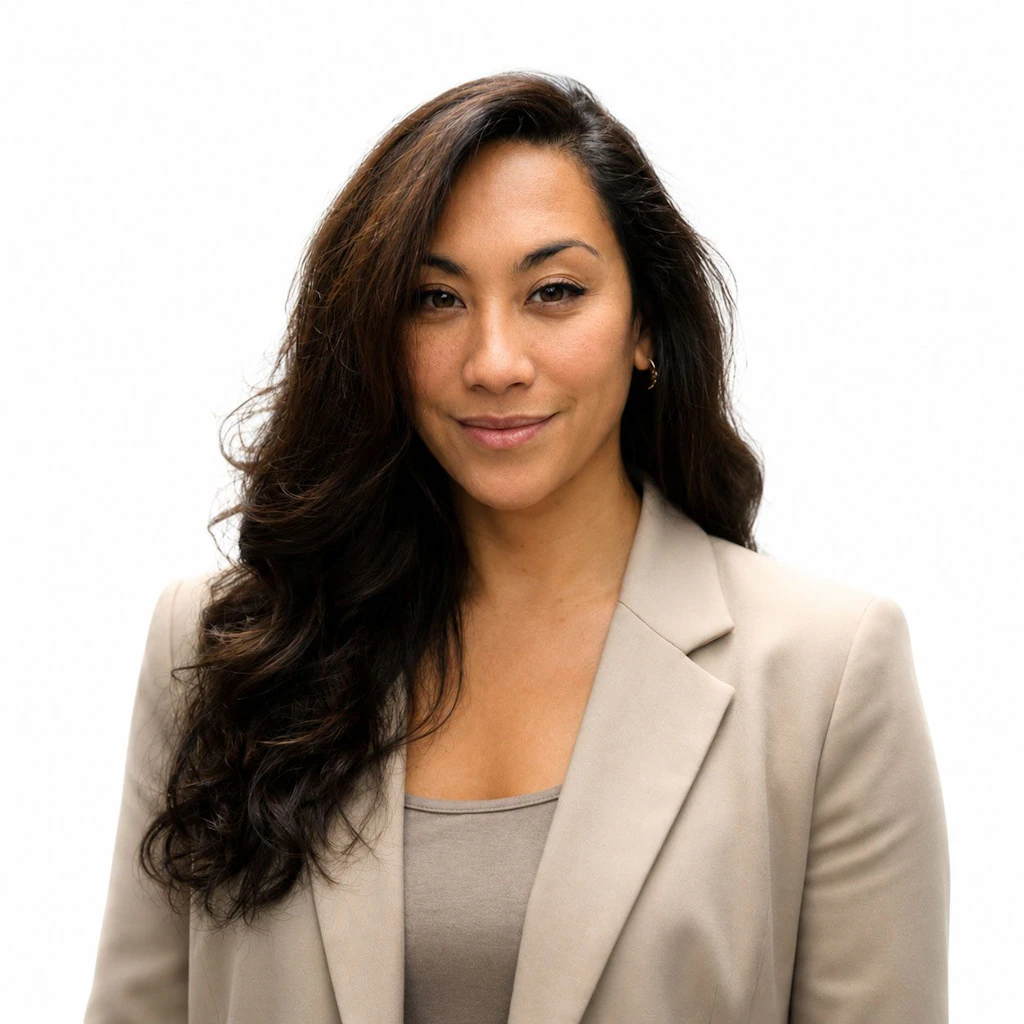
Andhina Irminger
What originally motivated you to join the consular service?
The consular career (management level) attracted me because of its great diversity: it combines operational management (staff, finance, logistics) and consular activities. This variety of tasks and responsibilities, in changing contexts, was a determining factor. At my current posting, I particularly enjoy being able to provide practical support to Swiss citizens abroad.
How do you experience your children's educational and social development in an international context?
One of the advantages of this transferable career is access to excellent international schools, particularly in countries where public provision is limited. In Egypt, my daughter benefits from a high-quality education, with a recognised curriculum, which ensures good continuity. What's more, through this school we have a very good network that also provides an important social anchor for the whole family.
Are there structures or offers that make it noticeably easier for families to get started?
Before departure, the FDFA offers seminars for accompanying persons to familiarise them with the transfer regime. That was a great help for my partner. On arrival at a new posting, local colleagues are the first source of support and help with integration. One thing leading to another, networks are created and this international community is – in our case – our main source of support in integrating into this new life. However, it is important to approach this integration with an open mind and motivation.
What helps your family to keep creating a piece of home around the world?
We try to quickly establish a set of routines and explore our new surroundings with curiosity. Having our personal belongings with us helps a lot – it's almost as if our home has followed us. But ultimately, what makes all the difference is being together and staying close to our families and friends.
Applying for a transferable FDFA career
For the consular career (management level) and diplomatic career the application period runs from 22 May to 16 June 2026. Recruitment for the diplomatic career (profile II) will take place from 18 May to 1 June 2026.
Discover our vacancies and apply now:
Prepare for your success now – with our guide ‘How do I prepare for the competitive selection process?’:
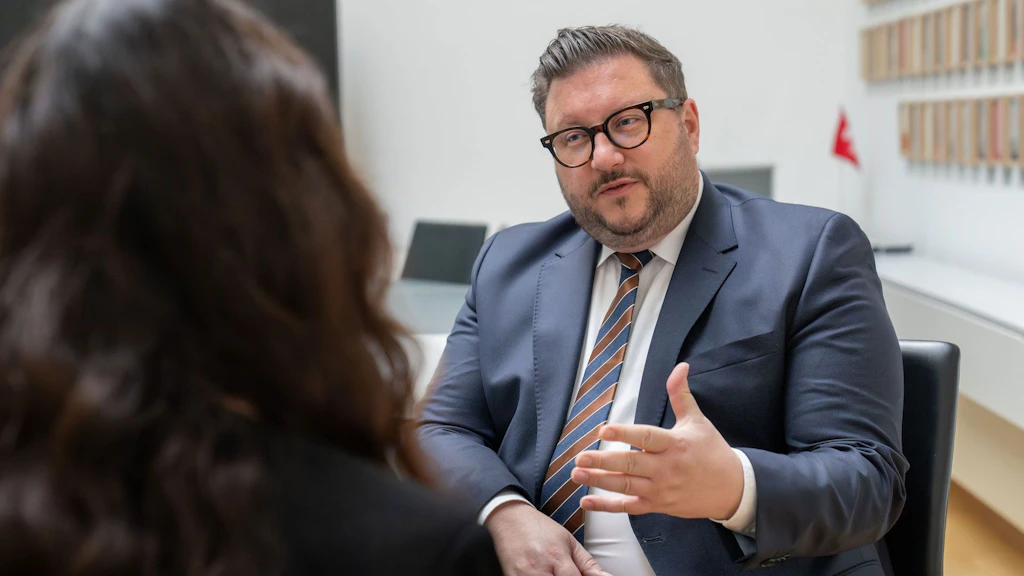
“Openness is a basic requirement”
In this interview, Chasper Sarott, head of FDFA Human Resources, explains the importance of the transfer regime and the opportunities and challenges it presents.
Experienced professionals
Experienced professionals
Contact
General Secretariat GS-FDFA
Federal Palace West
3003 Bern