
Ban on torture
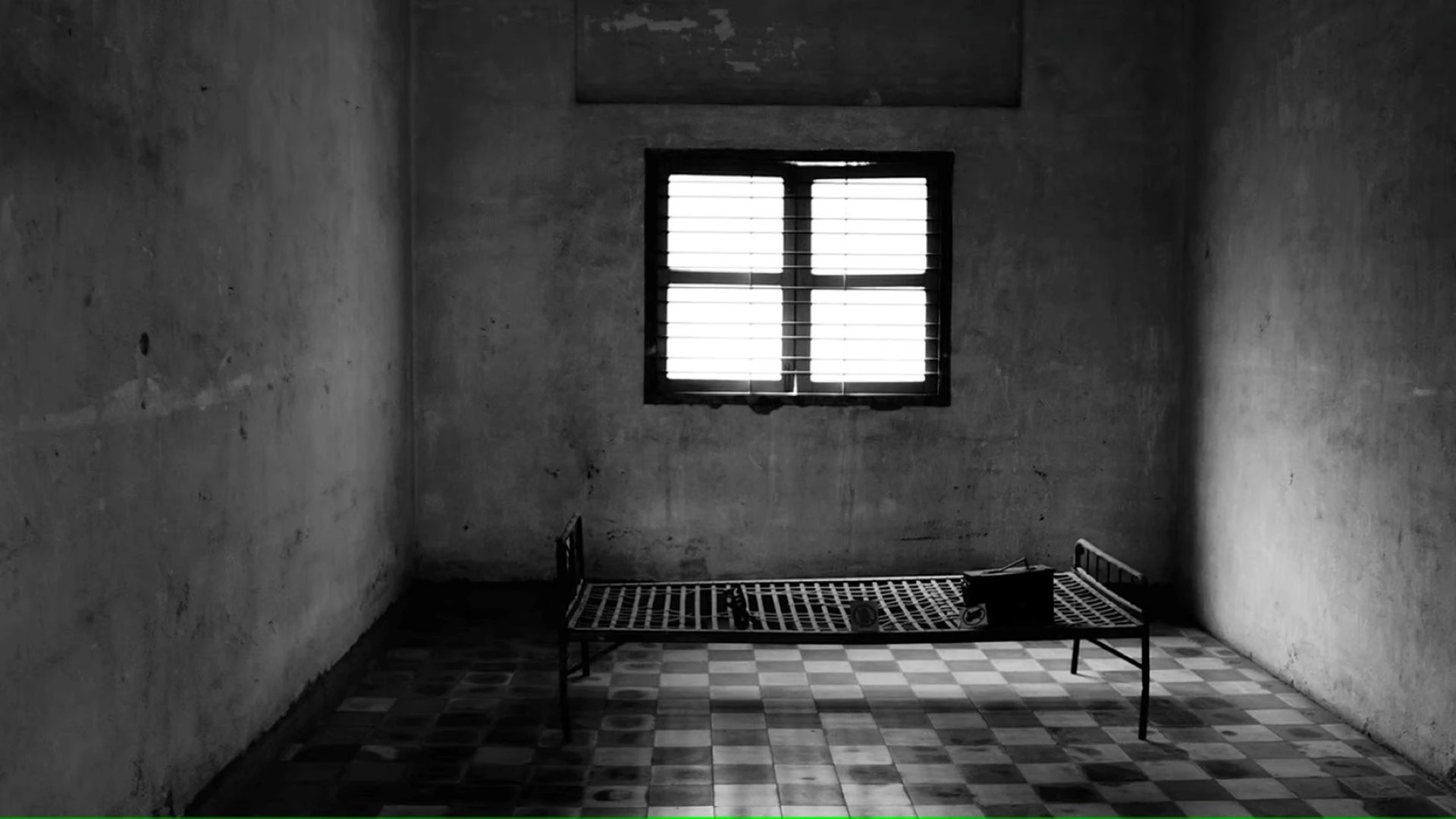
Switzerland is committed to upholding the ban on torture and ill treatment. International law prohibits torture at all times and in all circumstances. Despite this absolute ban, torture is still widespread both in peacetime and during armed conflicts. Torture does not just harm individuals but society as a whole, putting peace and security at risk.
However, there have also been some positive developments: increasing numbers of states are ratifying the UN Convention against Torture and the Optional Protocol to the convention. Both agreements include clear provisions on protecting individuals by preventing torture, prosecuting perpetrators, ensuring redress for victims, and monitoring places of detention through independent bodies. There is now evidence that implementing these agreements has reduced the use of torture.
Switzerland began its work in this area in the 19th and 20th centuries when, together with the International Committee of the Red Cross (ICRC), it supported the development of international humanitarian law. This paved the way for the prohibition of the use of torture in armed conflict. At the end of the Second World War, Switzerland campaigned for the use of torture, including during armed conflict, to be universally prohibited under international human rights law.
The right to protection from torture and cruel, inhuman or degrading treatment is an integral component of international law. Torture and cruel, inhuman or degrading treatment do not just offend against human dignity and fundamental human rights, they also breach peremptory norms of international law. Failure to respect the prohibition against torture and cruel, inhuman or degrading treatment therefore undermines international law in general.
In working to prevent torture, Switzerland:
- supports the prohibition of torture and cruel, inhuman or degrading treatment (prevention, enforcement and redress) at bilateral and multilateral levels. For this purpose, it supports the UN, Council of Europe and OSCE bodies and civil society actors working to ensure compliance with the prohibition;
- promotes the ratification of the Convention against Torture and Optional Protocol thereto and works to strengthen treaty-based bodies;
- supports torture prevention measures focusing on monitoring detention centres, implementing the UN Standard Minimum Rules for the Treatment of Prisoners and training for judicial authorities and police forces in accordance with the Mendez Principles;
- supports the documentation of torture and ill-treatment and is committed to ensuring that incidents of torture are investigated and prosecuted.
Contact
State Secretariat STS-FDFA
Peace and Human Rights Division
Effingerstrasse 27
3003 Bern