
Biological weapons
The Biological Weapons Convention prohibits all activities in connection with biological and toxin weapons. Major challenges lie ahead for this convention owing to rapid developments in biotechnology. Switzerland seeks to strengthen the convention and works proactively within the UN for its implementation and further development.
The Biological Weapons Convention prohibits the development, production, acquisition, transfer, stockpiling and use of biological and toxin weapons. It also prohibits equipment and means of delivery intended to deploy such weapons. Switzerland ratified the Biological Weapons Convention in December 1976.
Lack of verification mechanism a major shortcoming
The Biological Weapons Convention, like the Chemical Weapons Convention, developed out of the 1925 Geneva Protocol for the Prohibition of the Use in War of Asphyxiating, Poisonous or Other Gases, and of Bacteriological Methods of Warfare. Unlike the Chemical Weapons Convention (which has the Organisation for the Prohibition of Chemical Weapons) the Biological Weapons Convention does not provide for an oversight organisation or legally binding verification system to monitor compliance with the provisions of the treaty.
The rapid progress and dual-use nature of biotechnologies are fundamental challenges for the Biological Weapons Convention. There is a risk that processes, technologies and materials developed and applied for helpful, peaceful purposes could also be misused to develop and manufacture biological weapons. Given the additional widespread threat of biological agents falling into the hands of non-state actors, the lack of an effective verification mechanism has always been a major shortcoming, and creates uncertainty and mistrust.
Strengthening the Biological Weapons Convention
Switzerland is therefore committed to strengthening the institutional framework of the Biological Weapons Convention. It participates actively in discussions on the verification of the Convention. It has continuously called for the establishment of a mechanism to systematically address scientific and technological advances and their implications for the Convention.
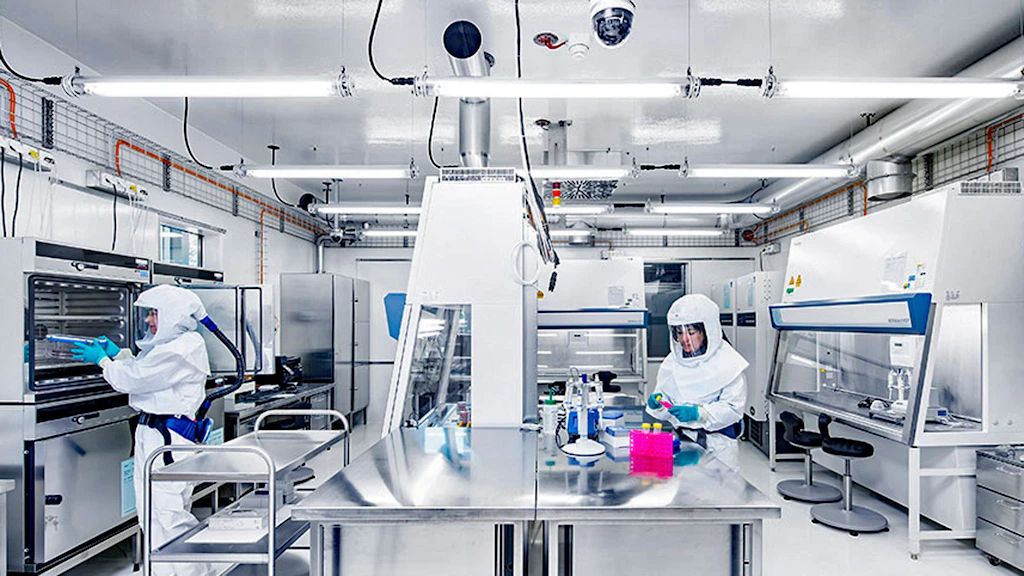
Switzerland also takes part in voluntary initiatives to assess the implementation of the Biological Weapons Convention in participating states parties. These include mutual exchanges between experts, reviews of relevant national legislation and transparency visits to laboratories. Switzerland has already organised several such visits to the Spiez Laboratory for states parties.
Focus on scientific and technological developments
Switzerland also seeks to establish working groups dedicated to specific topics in the framework of the Biological Weapons Convention. It is currently advocating for the establishment of a body of experts to systematically broach developments in science and technology and their consequences for the Biological Weapons Convention (science & technology review process).
Since 2014, Switzerland has organised the ‘Spiez Convergence’ conference series to address the increasing convergence of chemistry and biology and the implications of this for the two conventions.
UN Secretary-General's Mechanism for Investigation of Alleged Use of Chemical and Biological Weapons (UNSGM)
The secretary-general's mechanism to investigate allegations concerning the possible use of chemical and biological weapons was established in the late 1980s. Triggered by a request from a member state, the mechanism authorises the secretary-general to launch an investigation. A roster of experts and laboratories nominated by member states and a set of guidelines and procedures for the conduct of investigations constitute the main elements of the mechanism.
In the chemical weapons sector, the UN can work closely with the Organisation for the Prohibition of Chemical Weapons to implement the mechanism. Since there is no corresponding organisation for the Biological Weapons Convention, the UN depends on the active collaboration of member states. To strengthen the UNSGM, an informal Group of Friends coordinates member states' contributions. It is currently chaired by Switzerland. Swiss experts and the Spiez Laboratory belong to a pool of experts and laboratories that the UN may call upon in the event of an investigation, and regularly take part in exercises and meetings to this end.
Switzerland has also organised annual expert workshops since 2015. The workshops aim to ensure that the laboratories nominated by UN member states for the investigation of the alleged use of biological weapons meet the necessary quality requirements and standards. Compliance with such standards is essential to ensure political and scientific acceptance of the outcomes of such investigations.
Links
- Convention on the Prohibition of the Development, Production and Stockpiling of Bacteriological (Biological) and Toxin Weapons and on their Destruction
- Convention on the Prohibition of the Development, Production, Stockpiling and Use of Chemical Weapons and on their Destruction
- Protocol for the Prohibition of the Use of Asphyxiating, Poisonous or Other Gases, and of Bacteriological Methods of Warfare
- Spiez CONVERGENCE
- UNSGM Designated Laboratories Workshop, DDPS
- Biological Weapons Convention, UN
- Organisation for the Prohibition of Chemical Weapons, OPCW
- UN Secretary-General's Mechanism for Investigation of Alleged Use of Chemical and Biological Weapons, UN