
Dealing with the past and preventing atrocities
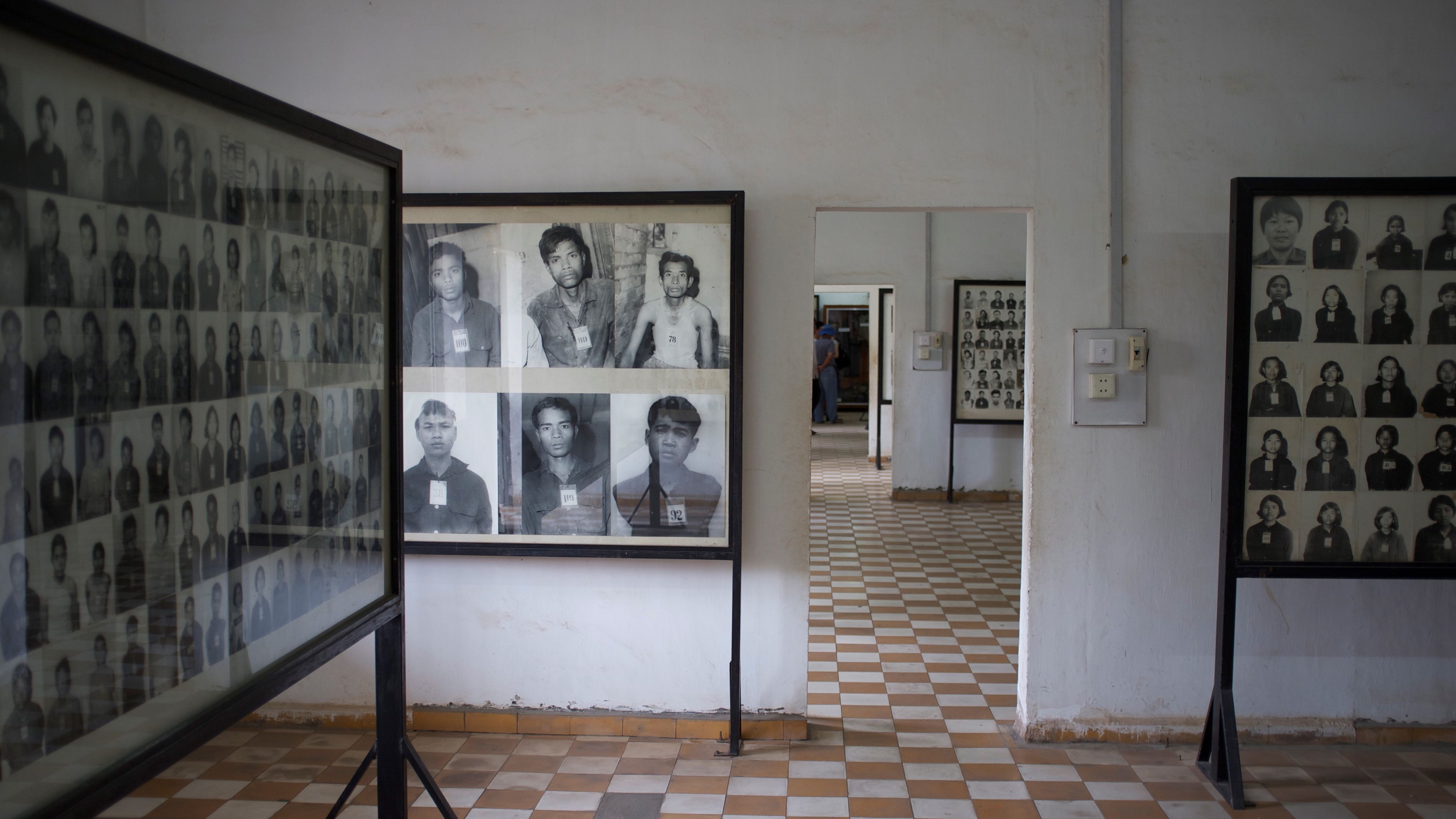
In order to break cycles of violence, constructive confrontation with the past and the prevention of atrocities are of central importance. Switzerland supports conflict-affected countries in dealing with the past in order to lay the foundations for peace and development. Through preventive measures, it minimises risk factors that can lead to atrocities such as ethnic cleansing.
Dealing with the past
Switzerland's engagement in dealing with the past is based on four key areas: the right to know, the right to justice, the right to reparation and the guarantee of non-recurrence. The Joinet Principles recognise the rights of victims and define the obligations of the state, and were developed by French jurist Louis Joinet in 1999 for the then UN Commission on Human Rights.
Bilateral and multilateral activities
Switzerland supports bilateral initiatives on dealing with the past on request and in various priority contexts. Among other things, this includes leading and supporting negotiations on transitional justice mechanisms, and providing approaches to dealing with the past as part of peace processes. It also includes support for truth and reconciliation commissions, programmes for the rehabilitation and compensation of victims, the reform of authorities and institutions, and the establishment of memorials that contribute to a comprehensive approach to dealing with the past.
At the multilateral level, Switzerland launches initiatives and initiates resolutions. One example of this is the mandate for a UN special rapporteur to promote truth, justice, reparation and guarantees of non-recurrence. Switzerland is also active in the training and further education of specialists and helps to develop new ideas and concepts for dealing with the past, promoting, for example, the protection of archives related to the topic.
Prevention of atrocities
Atrocities have devastating consequences, causing human suffering and destabilising societies. The prevention of atrocities aims to avoid genocide, crimes against humanity, war crimes and ethnic cleansing. It applies both in times of peace and during armed conflicts. Switzerland has long been active in seeking to prevent such crimes as part of its commitment to peace and stability. Ideally, prevention starts early, strengthens the rule of law and human rights, and minimises the risk of escalation. In crises, the focus is on identifying and taking early action to counter acute dangers such as discrimination, hate speech or elections marred by violence.
Multi-faceted approach
As a state party to international conventions, Switzerland contributes to the development of standards for the prevention and punishment of atrocities. It also strengthens democratic institutions, security structures and civil society in partner countries. At the diplomatic level, it advocates prevention and the responsibility to protect in multilateral forums.
Prevention in Switzerland
Switzerland is stable, but there are risk factors here too. A 2020 report emphasises protection against racial discrimination as key to prevention and recommends better coordination and increased resources.
Links
Dealing with the past
- UN Special Rapporteur on the promotion of truth, justice, reparation and guarantees of non-recurrence
- Guidance Note of the Secretary General on Transitional Justice: A Strategic Tool for People, Prevention and Peace
- swisspeace ‒ Dealing with the Past
- Guiding Principles for Safe Havens for Archives at Risk
Prevention
- UN Office on Genocide Prevention and the Responsibility to Protect
- The Global Action Against Mass Atrocity Crimes (GAAMAC)
- Video message from Federal Councillor Ignazio Cassis on GAAMAC (French)
- Global Centre for the Responsibility to Protect
- Prevention of atrocities in Switzerland: SCHR study analyses Switzerland's commitment (German)
- International Criminal Court
Documents
Contact
State Secretariat STS-FDFA
Peace and Human Rights Division
Effingerstrasse 27
3003 Bern