
Humanitarian access and protection of civilians
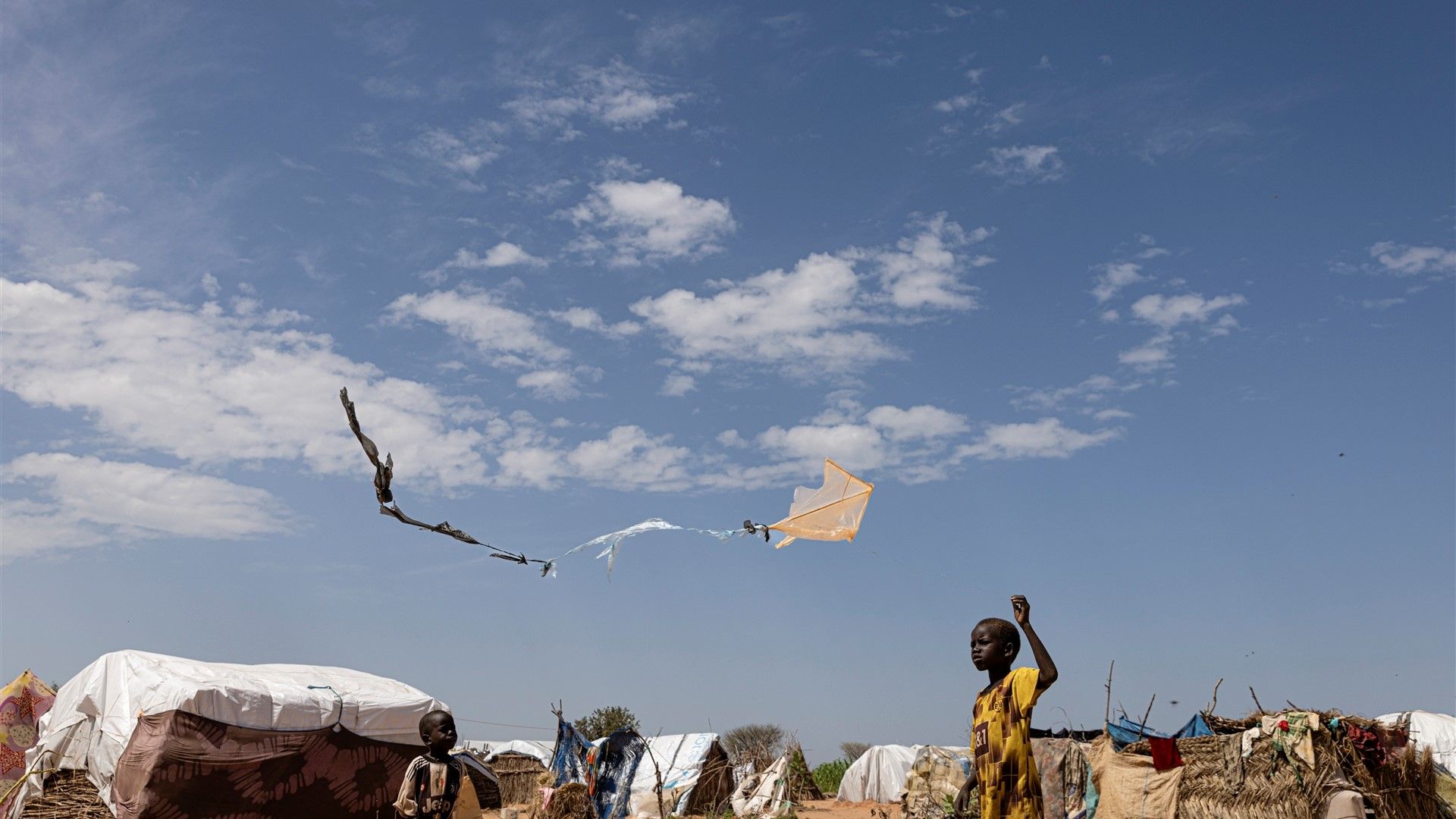
One objective of Swiss foreign policy is the protection of the civilian population in armed conflicts and humanitarian access for relief supplies. Switzerland works to ensure compliance with international humanitarian law and human rights in armed conflicts, and respect for the rights of refugees.
Protecting civilians
Switzerland is committed to ensuring that human dignity is protected in armed conflicts and that the rules of international law are also observed in war. International humanitarian law in particular governs the conduct of armed conflicts. It obliges the parties to a conflict to limit the impact of hostilities on the civilian population and persons who are no longer taking part in hostilities. Human rights, refugee law, international criminal law and various regional and national laws also help to safeguard and strengthen that protection.
As a state party to the four Geneva Conventions and their three additional protocols of 1977 and 2005, Switzerland is committed to the protection of civilians in armed conflicts. Among other things, Switzerland pursues the following priorities:
- Promoting compliance with international humanitarian law by all parties to a conflict.
- Activities in the field of humanitarian diplomacy aimed at better protecting the civilian population and ensuring humanitarian access.
- Cooperation with partner organisations that are committed to the protection of civilians in armed conflicts, both at international level and on the ground in conflict zones (e.g. the ICRC, OCHA, Norwegian Refugee Council, Harvard Law School Program on International Law and Armed Conflict, CIVIC, and the Centre of Competence on Humanitarian Negotiation).
- Multilateral engagement, for example within the UN. Switzerland has headed the Group of Friends for the Protection of Civilians in Armed Conflict in New York since 2007. Switzerland also coordinates the annual ‘Protection of Civilian Population Week’, which brings together states, the UN and civil society in New York to discuss this issue.
Humanitarian diplomacy
Delivering humanitarian aid is becoming increasingly difficult in many conflict zones, and aid organisations are often left to deal with the authorities and armed groups on their own. Humanitarian diplomacy is intended to persuade decision-makers to protect the civilian population in conflicts and to honour their obligations under international law. To do this, states use diplomatic and political means in a targeted manner. Thanks to its humanitarian tradition, its experience in conflict zones and its wide recognition as a mediator, Switzerland can play an important role in this area. Switzerland does this in direct cooperation with humanitarian partner organisations such as the ICRC, NRC and the Centre of Competence for Humanitarian Negotiation, focusing on different conflict regions and also working at the regional and multilateral levels.
Preserving humanitarian space
Preserving humanitarian space is essential in order to ensure access to populations in need. Based on the humanitarian principles of humanity, impartiality, neutrality and independence, humanitarian actors must be able to intervene without obstruction to help the most vulnerable. Legally, this space is protected by international humanitarian law, which requires parties to conflicts to facilitate rapid, unimpeded access for humanitarian aid to civilians in need. Switzerland has a long-standing commitment to promoting the protection of humanitarian space and those involved in it. At the multilateral level, it supports diplomatic initiatives aimed at limiting the negative effects of sanctions and other counterterrorism measures on humanitarian activities. This commitment has led to the adoption of humanitarian exemptions to UN targeted financial sanctions regimes, limiting the impact of these measures on civilian populations. Switzerland also successfully negotiated a resolution on the protection of humanitarian personnel during its term on the Security Council (2023–24). This resolution aims to strengthen the protection of humanitarian workers, including national and local employees, who are increasingly victims of violence.
Armed groups
The protection of the civilian population and compliance with international humanitarian law by all parties to a conflict, including armed groups, is a concern of Swiss foreign policy. Not only states, but also non-state armed groups, are obliged to respect international humanitarian law. Switzerland therefore supports initiatives that promote humanitarian dialogue with such armed groups and organisations that help improve compliance with international humanitarian law. In this context, Switzerland has for many years supported the Geneva Call organisation, which works to promote compliance with international humanitarian law by non-state armed groups. Switzerland is convinced that dialogue with such groups is possible. Thanks to its many years of experience in humanitarian negotiations, Switzerland is also a credible dialogue partner.
Children and armed conflict
Switzerland has a long-standing commitment to protecting children and ensuring that their rights are respected in situations of armed conflict. This commitment is a key component of its work to protect civilians, which is one of the objectives of its Foreign Policy Strategy 2024–27). At the multilateral level, Switzerland works to promote decisions and mechanisms aimed at better protecting children affected by armed conflict. It actively supports the mandate of the UN secretary-general's special representative for children and armed conflict. The mandate is guided by several Security Council resolutions that provide robust tools for monitoring, reporting and responding to grave violations committed against children. Switzerland is committed to the independent, credible and impartial use of these tools, such as the process of listing parties responsible for serious violations in the annexes to the secretary-general's report and the implementation of the monitoring and reporting mechanism that documents these violations.

Searching for missing persons
Switzerland is committed to improving the search for missing persons, reuniting families and preventing people from going missing.
Protection for humanitarian personnel
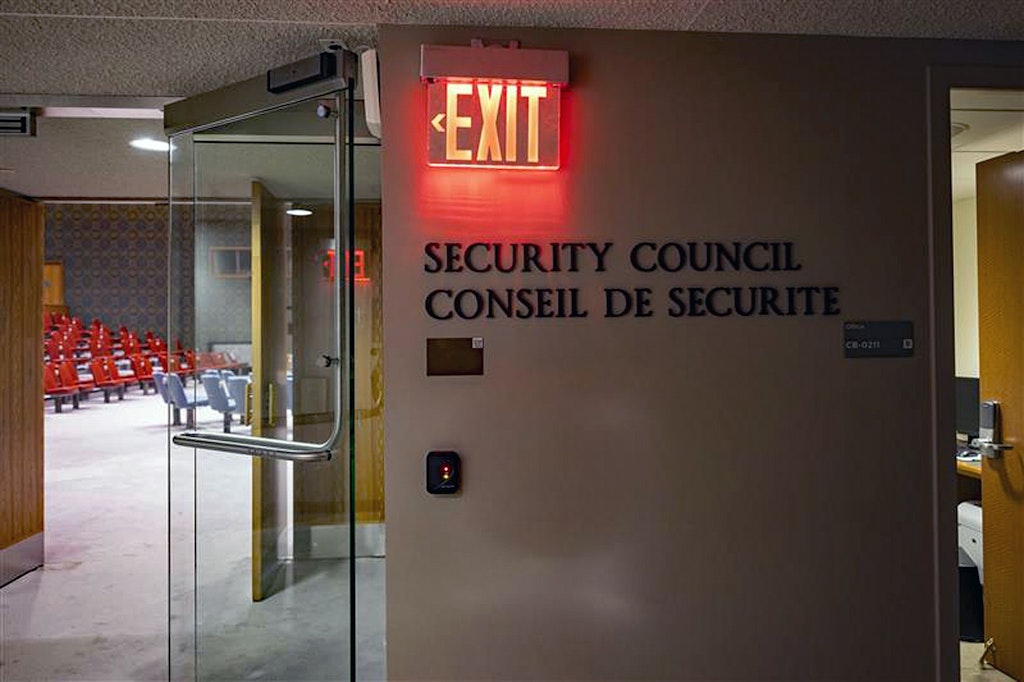
UN Security Council adopts Swiss resolution.
Humanitarian aid must reach those in need despite UN sanctions
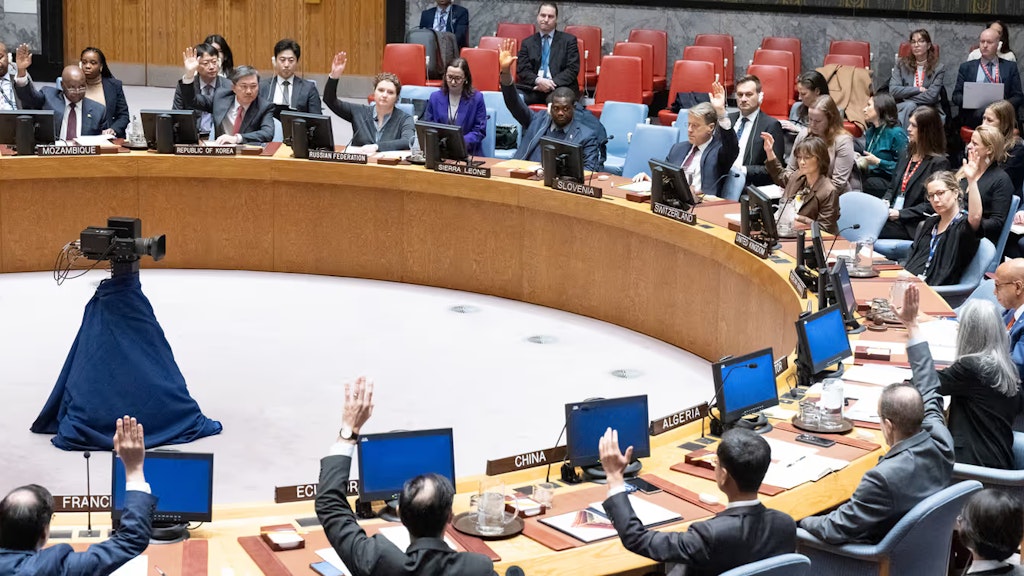
The UN Security Council has adopted a resolution under Swiss co-penholdership that extends humanitarian exemptions in the context of sanctions.
Contact
State Secretariat STS-FDFA
Peace and Human Rights Division
Effingerstrasse 27
3003 Bern