
Looking back on a successful year for foreign policy
At the beginning of every year, the Federal Council publishes the foreign policy report, in which it summarises and reviews the key foreign policy events of the past 12 months. 2019 saw polarising movements like Fridays for Future and the mass protests in Hong Kong, while the rivalry between major global players such as the United States, China and Russia intensified. How was Switzerland able to assert itself against this backdrop?
The Federal Council takes a positive view of its foreign policy achievements in 2019. It maintained contact with many states at the highest political level, was in demand for its good offices, made an important mark in science diplomacy and through International Geneva, and was able to further dovetail its foreign and domestic policies. The report highlights how the Federal Council aims to anchor its foreign policy more firmly in domestic policy than it has in the past. In addition to involving Parliament, the cantons and other Swiss actors in its work, the FDFA organised roundtable discussions with the public in 16 cantons (Meet the Ambassadors) – again with the aim of delivering a citizen-oriented foreign policy.
Switzerland achieved good results overall in the implementation of its 2016–2019 foreign policy strategy.
Four priorities in 2019
2019 was a busy year for the FDFA. Some of the items on the agenda included Switzerland's relations with the EU, strengthening the country's role in the international arena, responding to the high demand for Swiss expertise in peace and security, and contributing to prosperity and sustainability.
Relations with the European Union
.avif?auto=format)
Europe is in key respects central to Switzerland's prosperity and the EU is Switzerland's most important economic partner by far. This is why stable and close relations with the EU that can also be further developed are important to the Federal Council. In 2019 the Federal Council held consultations on a draft Institutional Agreement with the most important stakeholders. The Federal Council considered the outcome of these discussions to be positive on the whole. However, before the Institutional Agreement can be signed, the following three points need to be clarified:
- Wage protection
- State subsidies
- Citizens' Rights Directive
In relation to these points, the Federal Council is working with the cantons and social partners on solution proposals with broad-based domestic support, which will serve as a basis for subsequent talks with the EU.
Global partners
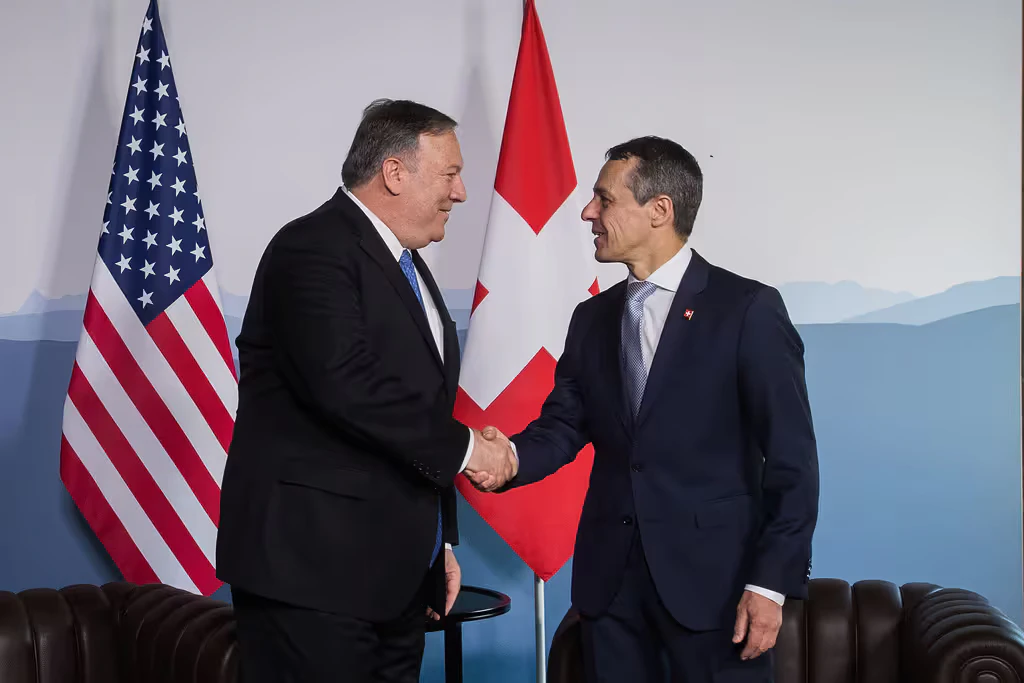
As a neutral and independent country, Switzerland maintains good relations with all states. This includes both the smaller states and the international heavyweights. Switzerland aims to consolidate its good relations, safeguard its interests and work with its global partners to address and resolve concrete problems.
Peace, security and International Geneva
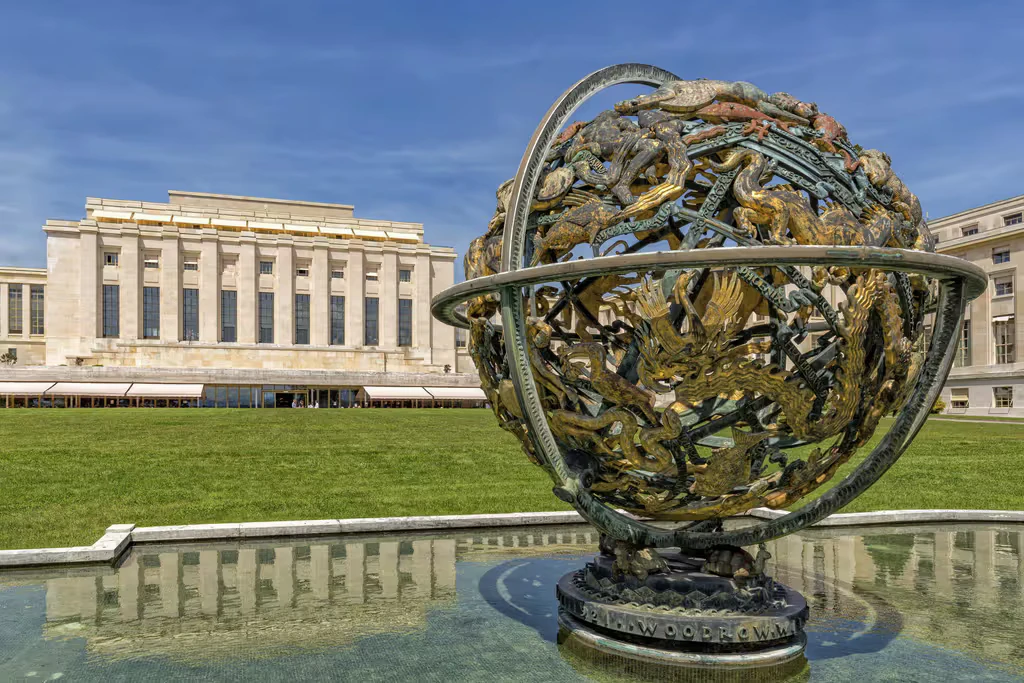
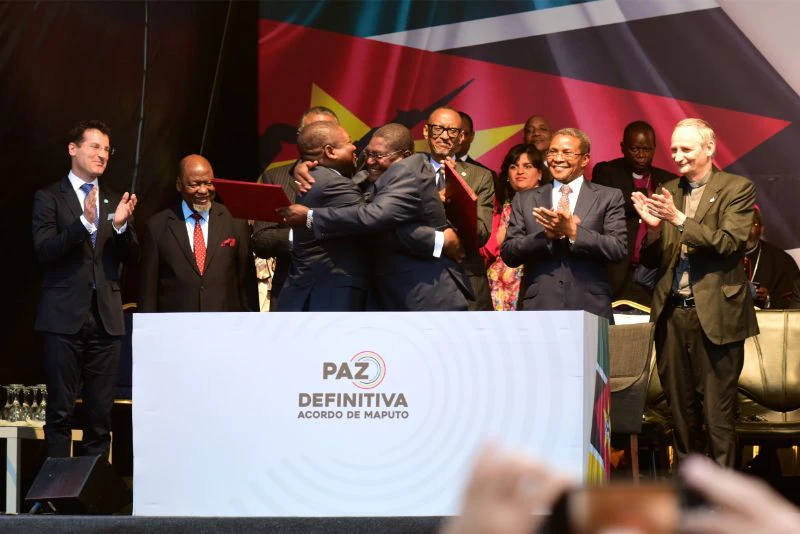
On account of its neutrality and impartiality, Switzerland enjoys an outstanding reputation as a mediator throughout the world. It supports an average of 17 peace processes a year. For example, it played a key role in the peace process in Mozambique, which culminated in the signing of a peace accord in summer 2019.
Sustainable development and prosperity
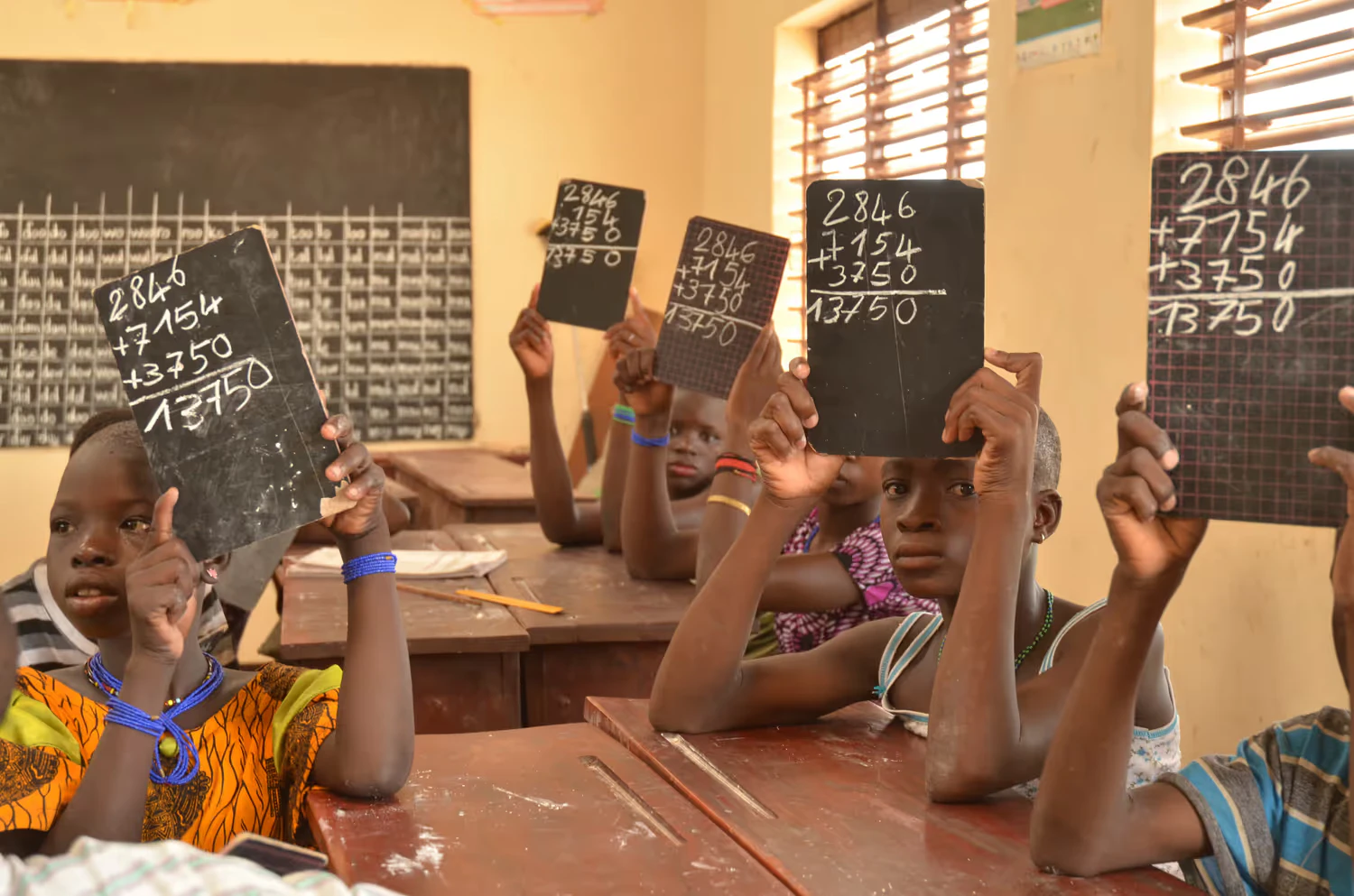
Geleitet durch die Agenda 2030 der UNO setzt sich die Schweiz mit grossem Elan für eine Welt ohne Armut und eine nachhaltige Entwicklung ein. Gemäss der Untersuchung vom April 2019 des OECD-Entwicklungsausschusses ist die Schweiz eine starke und verlässliche Entwicklungspartnerin. Mit dem Multilateralismus als zentrales Arbeitsinstrument engagiert sich die Schweiz für die Lösung globaler Herausforderungen.
A compass for foreign policy
Switzerland is closely interconnected with the rest of the world at all levels. Armed conflicts, economic sanctions and even climate change therefore have a tangible impact on the country's prosperity and security. Switzerland is best able to safeguard its interests and live up to its values if it plays an active part in world affairs. In this undertaking, a strategy is essential in order for Switzerland's foreign policy to achieve the greatest possible impact. The Federal Council therefore approved the Foreign Policy Strategy 2020–23, which prioritises peace and security, prosperity, sustainability, and digitalisation. It will serve as a compass for Switzerland's foreign policy in the next few years. The 2028 Foreign Policy Vision, which was drawn up by a group of experts on behalf of the FDFA, can also lend impetus to Switzerland's foreign policy. The experts looked at future trends and what effects they will have on people and society.
Links
- Federal Council approves 2019 foreign policy report, Press release 29.01.2020
- Federal Council sets out foreign policy priorities for 2020–23, press releases, 30.01.2020
- Foreign Policy Strategy 2020–2023
- Switzerland's European policy
- Switzerland's presence in international organisations
- Peace and human rights
- Security policy
- Development and cooperation
Dokumente
Contact
General Secretariat GS-FDFA
Federal Palace West
3003 Bern