
Mediation and dialogue
Mediation is part of Switzerland's good offices and is a foreign policy priority. Switzerland either receives requests for mediation from parties to a conflict or offers its services as a mediator. It can either act as mediator itself or it can support negotiating parties and a third-party mediator. Switzerland also works within the international community to promote the professionalisation of mediation activities.
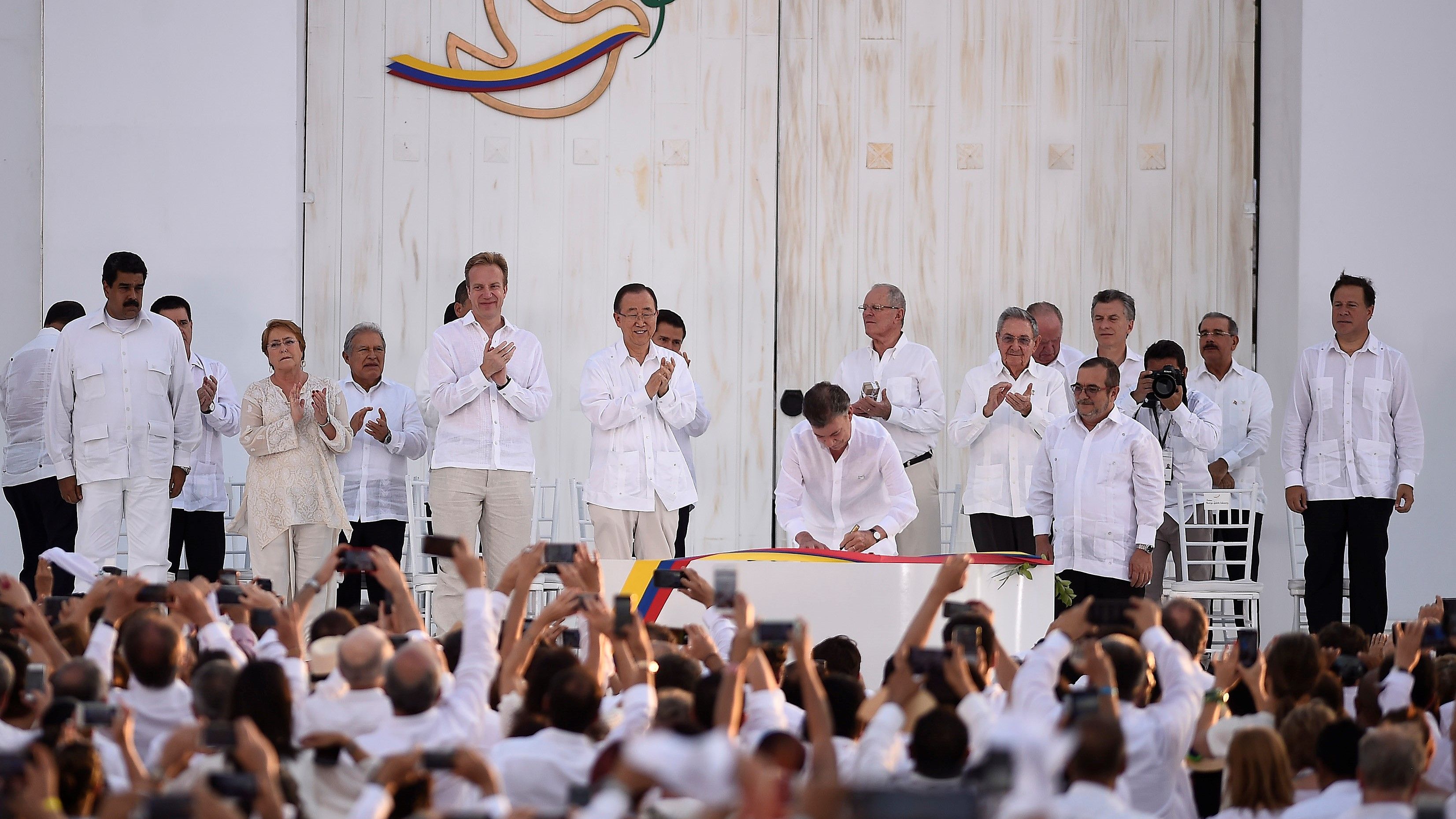
Switzerland has a long tradition of international conflict mediation, which is deeply rooted in its political culture of dialogue and consensus-building. In recent years, Switzerland has supported over 30 peace processes in more than 20 countries as an internationally recognised and valued partner.
Switzerland mediates both directly with the conflicting parties and indirectly by providing experts who mediate and support peace processes on behalf of international organisations such as the UN or the OSCE.
In agreement with the parties to the conflict, Switzerland creates the necessary space for negotiations. It helps the parties to identify the reasons for the conflict, to set out their positions and to define solutions. Switzerland's inclusive, consensus-based political system contributes to the appeal and credibility of its good offices. Switzerland has a global impact, providing professional, efficient services, usually behind closed doors.
There are five different types of mediation:
Focus on religion, politics and conflict
As part of its commitment to mediation and dialogue, Switzerland pays particular attention to the topics of religion, politics and conflict. The proportion of armed conflicts in which religion plays a role has multiplied over the last 50 years and now accounts for more than half of all conflicts. The reasons for this are not primarily to be found in religion, but in the clash of different world views. At the centre of Switzerland's peace policy work on religion, politics and conflict is the search for concrete solutions that will lead to a renunciation of violence and peaceful coexistence between people of different world views. To this end, Switzerland adopts a neutral stance towards different religious traditions and develops joint projects for concrete cooperation and confidence-building between universities, NGOs, religious and civil society communities as well as political parties and governments. Switzerland supports peacebuilding projects with a religious dimension worldwide, with a particular focus on East Africa and the Horn of Africa.
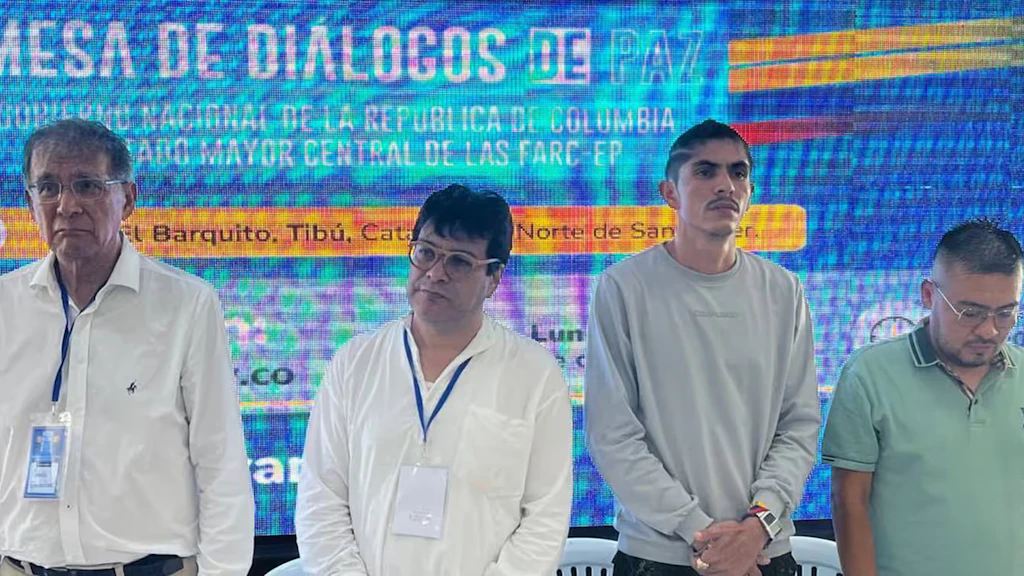
Peace process in Colombia: Switzerland to serve as guarantor state in negotiations between government and rebels
Peace process in Colombia: Switzerland to serve as guarantor state in negotiations between government and rebels
Contact
State Secretariat STS-FDFA
Peace and Human Rights Division
Effingerstrasse 27
3003 Bern