
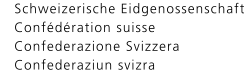
“Nowhere in Sudan is safe any more”
Since 15 April 2023 – exactly three years ago – an armed conflict has been raging in Sudan between the Sudanese Armed Forces (SAF) and their former allies the Rapid Support Forces (RSF). Tens of thousands of people have lost their lives. Around 33 million people – two thirds of the population – are dependent on humanitarian aid and 13 million people have been displaced. Switzerland is providing assistance, focusing on food security, protection of the civilian population, support for displaced persons and peacebuilding, as Valérie Liechti, head of the Africa Division at the Swiss Agency for Development and Cooperation (SDC), explains in an interview.
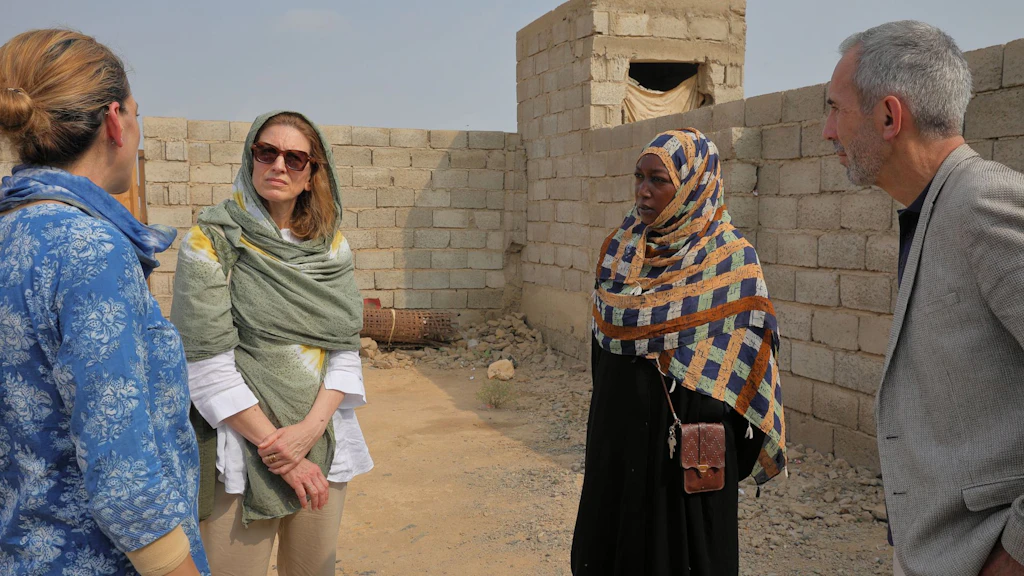
On 15 April 2026, a conference will be held in Berlin to discuss, among other things, the provision of aid to those affected by the war in Sudan. Where is help most urgently needed now?
The regions most affected are Darfur, Kordofan and Blue Nile State, where clashes have been ongoing for some time. These conflicts also have cross-border repercussions, particularly in Egypt, Chad and South Sudan. It's in these regions that the most urgent needs are concentrated: access to food, drinking water and basic sanitation – challenges made all the more acute by the fighting and by the violations of humanitarian law, which are hitting the civilian population hardest.
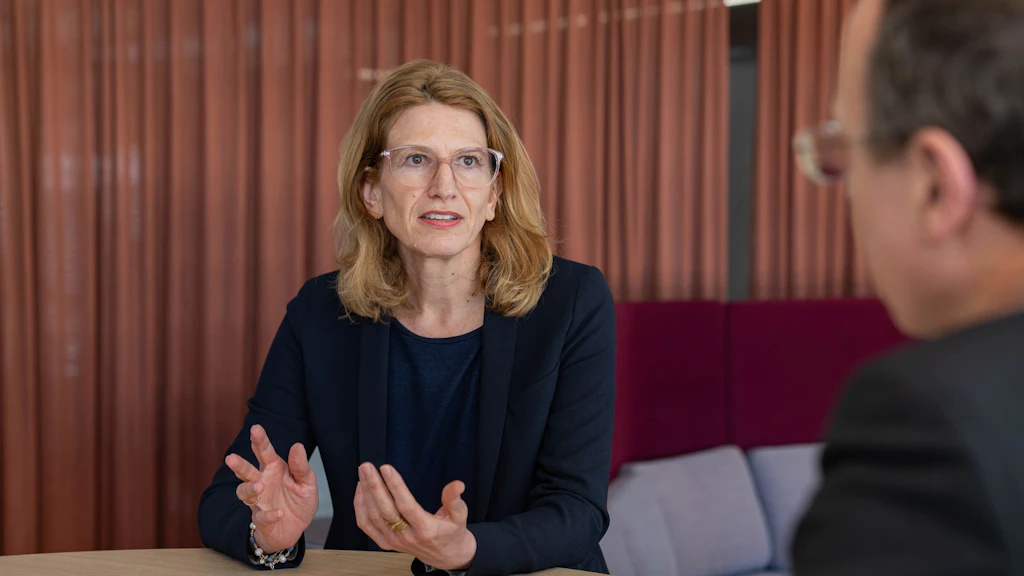
How is the war affecting people living in Sudan?
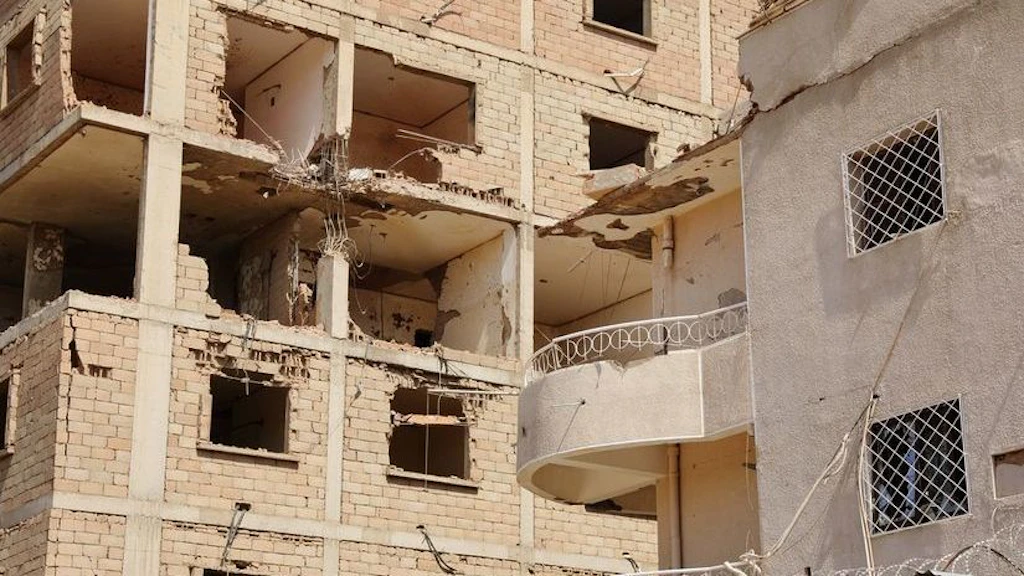
To put this crisis into context, the conflict has already passed the 1,000-day mark, and the situation is only getting worse. According to the Humanitarian Needs and Response Plan 2026, the situation in Sudan is one of the world's worst humanitarian crises. Out of an estimated population of 50 million, over 33 million are in need – two thirds of the entire country. Humanitarian workers are also particularly at risk, as I saw for myself during a humanitarian mission last November. Generally speaking, nowhere in Sudan is safe any more. Attacks on civilians are on the rise, with everything from water infrastructure, hospitals, schools and markets being targeted. More than 500 civilian casualties have already been recorded in 2026 alone. This conflict has triggered three simultaneous crises.
What are they?
The first is a food crisis, an extremely serious one affecting nearly 22 million Sudanese. This is made worse by a lack of access to clean water, whose hygiene implications, in particular, are exacerbating the food crisis.
The second is a protection crisis. Violence against civilians is widespread, and sexual violence – particularly against women and girls – is being used as a weapon of war. It's estimated that over 12 million people are currently at risk. On my latest mission to Chad last month, humanitarian workers told me that people who've fled to camps in Chad, even though they haven't been victims of violence themselves, are deeply traumatised. So this protection crisis isn't just affecting the direct victims, but entire communities.
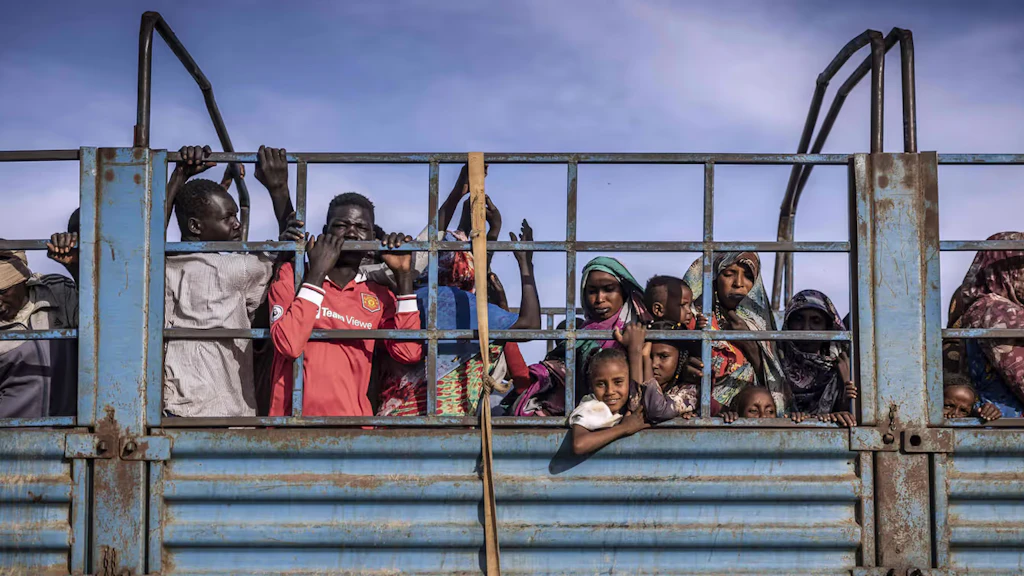
Over 13 million people have been forced to flee: 9 million are internally displaced within Sudan, while 4 million have sought refuge in neighbouring countries.
And the third crisis?
The third is a displacement crisis. Over 13 million people have been forced to flee: 9 million are internally displaced within Sudan, while 4 million have sought refuge in neighbouring countries. Chad has taken in nearly a million Sudanese refugees since the war began in 2023. South Sudan has taken in around 500,000 – a huge number for one of the world's poorest countries – while around 1.5 million refugees and migrants are currently in Egypt. Ethiopia is also affected, particularly due to tensions on the border with Blue Nile State.
To what extent are these three crises affecting Switzerland's international cooperation in Sudan?
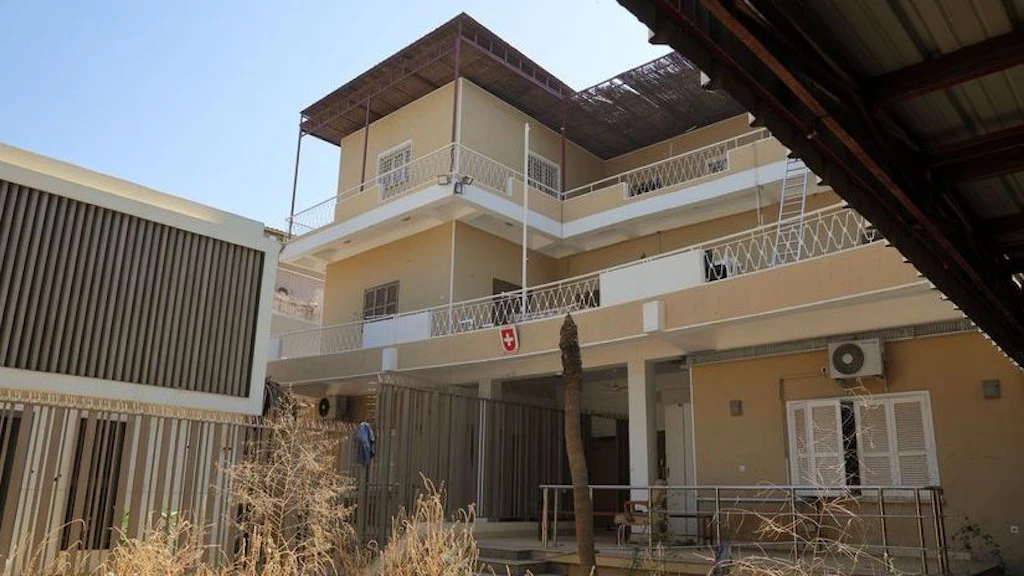
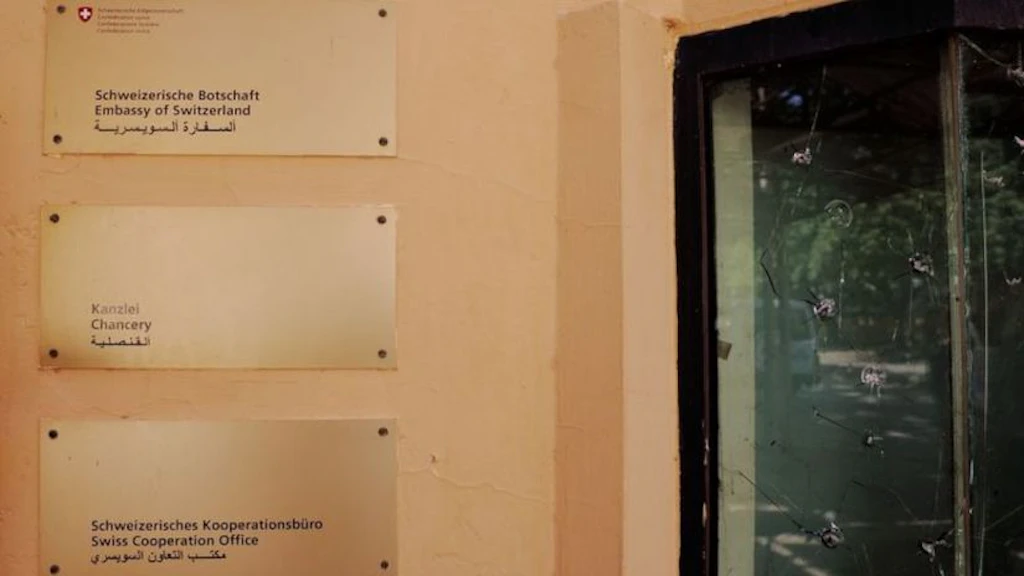
Switzerland was involved in these three areas from the outset. We were already present in Sudan before the conflict, with a cooperation office based at the embassy in Khartoum. At the time, our programme consisted of around 85% humanitarian aid and 15% development aid, which already covered food security and the protection of civilians. We were also operating regionally along the migration routes linking Ethiopia and Sudan, then on to Egypt and the Mediterranean. When the conflict broke out, naturally this commitment stepped up a gear.
Switzerland was involved in these three areas from the outset. At the time, our programme consisted of around 85% humanitarian aid and 15% development aid, which already covered food security and the protection of civilians.
Last November, Parliament approved a CHF 50 million emergency aid programme for Sudan, proposed by the Federal Council. What exactly have those funds been used for?
The CHF 50 million was split between the three areas I've just described, as set out to Parliament when the credit request was made.
In response to the food crisis, Switzerland's contribution helped to ensure that around 300,000 people received cash assistance to cover their basic needs. A large proportion of the emergency funds – around CHF 14 million – was allocated to the World Food Programme and UNHCR. These resources have benefited not only people in Sudan, but also those in neighbouring countries.
What is the rationale for providing financial assistance rather than distributing goods directly to those in need?
The aim is to sustain local economic activity. In times of war, supply routes get blocked or come under attack, and production is disrupted. Cash assistance such as multi-purpose cash is a rapid response that gives people the freedom to meet their most urgent needs according to their own priorities. That's why cash assistance is usually the preferred option of the beneficiaries themselves. It also prevents the wrong products from being sent to the wrong people. Cash assistance has become a key component of modern humanitarian response, and is often more cost-effective than traditional in-kind assistance.
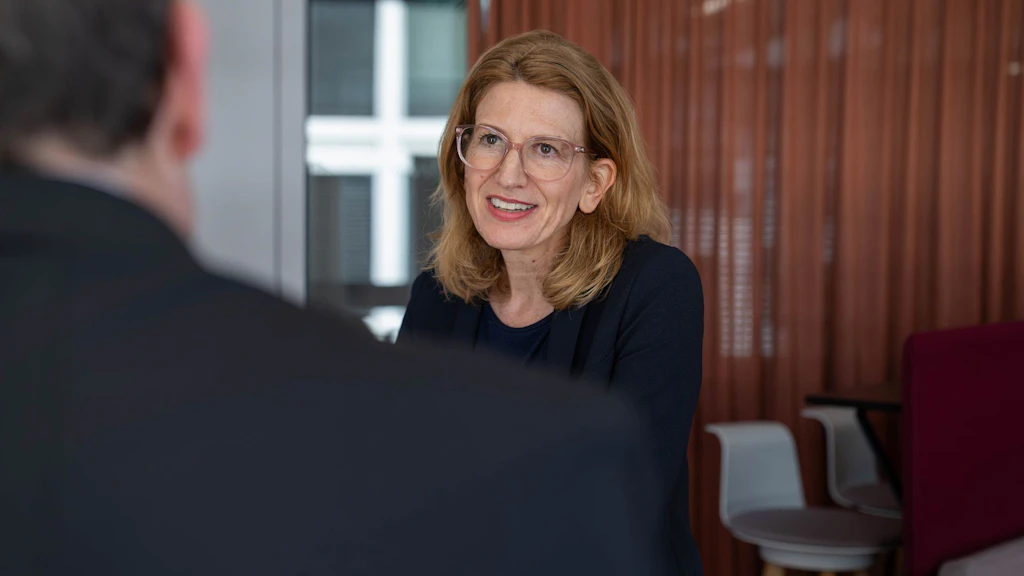
You've spoken about support for food security. How was the emergency aid credit used for the other types of crisis?
CHF 20 million was allocated to civilian protection. The ICRC, whose expertise in the field of protection is second to none, has been a key partner. The Norwegian Refugee Council focused its efforts on the most vulnerable individuals – women and children affected by sexual violence – by providing them with psychosocial support, legal assistance to replace their lost identity documents, and access to safe accommodation.
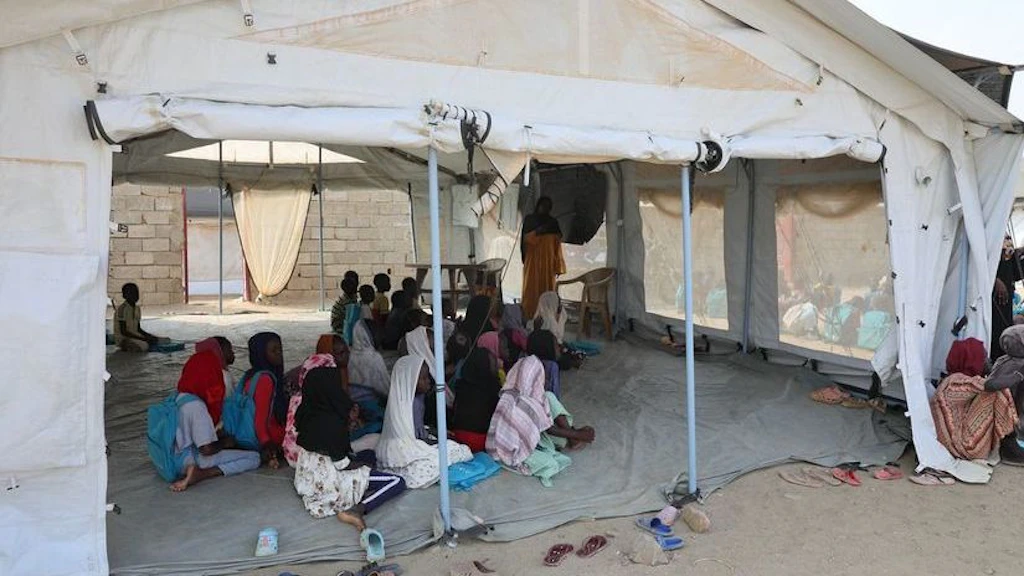
In response to the regional displacement crisis, over CHF 16 million was assigned to neighbouring countries, mainly through the UNHCR, Médecins Sans Frontières and Save the Children. In Egypt, these funds have helped to support the registration of refugees so that they can access the international protection system, with additional funding from the State Secretariat for Migration via the UNHCR in Cairo. In Chad, shelters have been built in the camps, with medical care provided and hygiene products distributed.
It should be noted that this CHF 50 million was spent in record time, which highlights both the scale of the needs and the funding crisis in international cooperation, which is exacerbating the situation.
It should be noted that this CHF 50 million was spent in record time, which highlights both the scale of the needs and the funding crisis in international cooperation, which is exacerbating the situation. The Sudan Humanitarian Needs and Response Plan 2026 has a budget of USD 2.8 billion, of which only USD 456 million – or 16% – has been funded so far. The funding crisis is also affecting our partners such as the ICRC, which will effectively no longer be able to provide survival kits to displaced people in South Sudan.
In a war situation, how do you ensure that the aid actually reaches those who need it?
It's a team effort. The Africa Division at the Swiss Agency for Development and Cooperation worked closely with colleagues from the Humanitarian Aid and Multilateral Affairs teams, as well as the Swiss cooperation office for Sudan and the sub-region, to identify partners, draft the proposal submitted to Parliament and monitor implementation. The distribution of funds – 50% for Sudan and 50% for neighbouring countries – was decided in consultation with teams who are familiar with the situation on the ground and already have established relationships with local and international partners.
To ensure that aid actually reaches the communities, Switzerland carries out frequent field missions – probably more than many other actors.
Does the planning also include on-site checks?
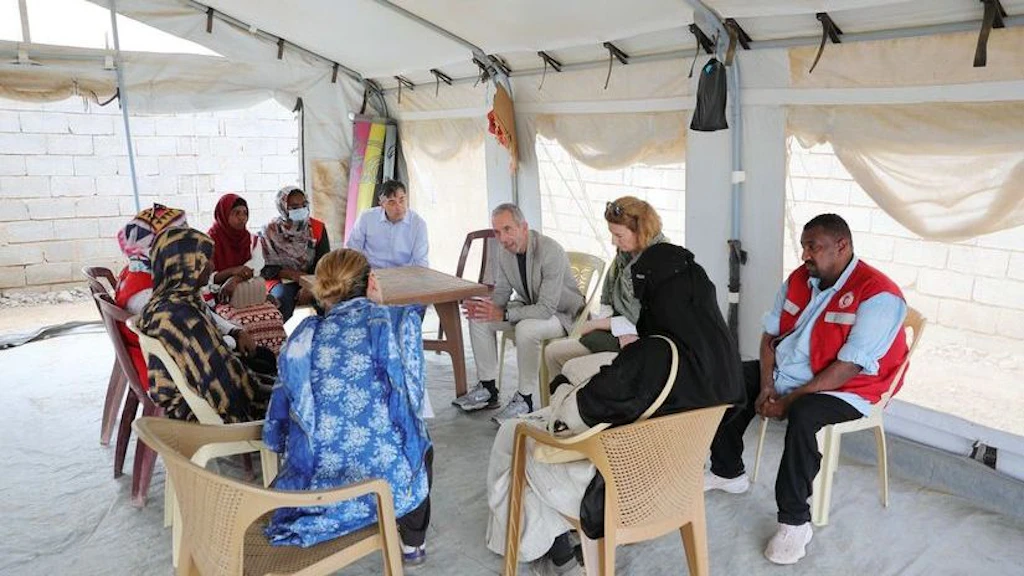
Yes, of course. To ensure that aid actually reaches the communities, Switzerland carries out frequent field missions – probably more than many other actors. These visits help to keep up political dialogue on international humanitarian law, safeguard access for humanitarian workers and maintain direct contact with partners. Experts from the Swiss Humanitarian Aid Unit are also seconded to international organisations in areas such as water, sanitation, health and protection. All of this enables us to maintain an in-depth understanding of what's happening on the ground.
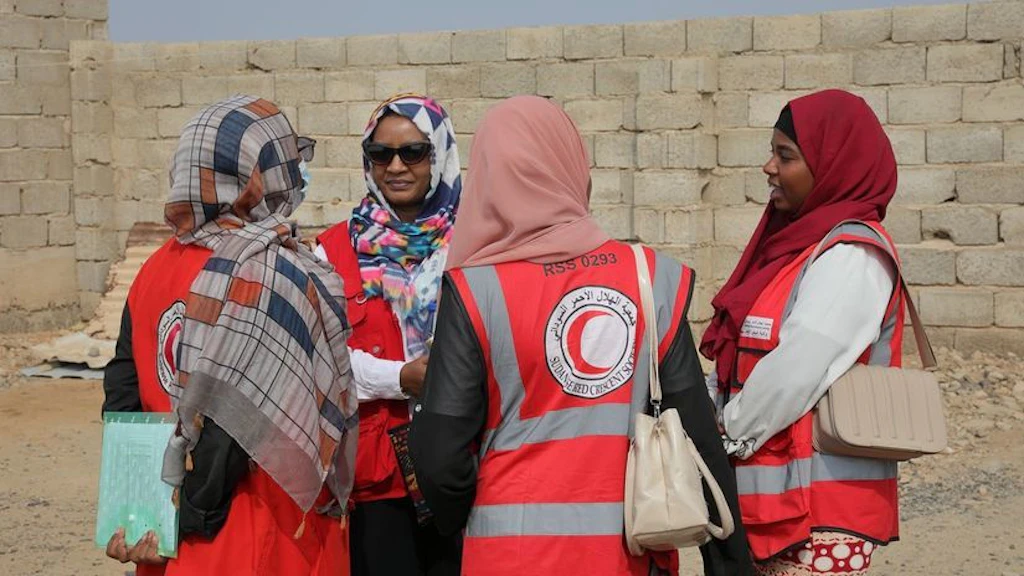
Additionally, Switzerland supports established international organisations — the ICRC, the WFP and the UNHCR — as well as local partners that were already active before the war, such as the Sudanese Red Crescent, which maintains direct and close ties with local communities. This network of relationships provides further assurance that the work is carried out to the highest standard.
You don't wait until the war is over to start building peace.
How does emergency aid fit with humanitarian aid?
Emergency aid provides an immediate response to the basic needs of displaced families, ensuring they have safe shelter, access to food, clean water and essential healthcare, as well as psychosocial support. But this immediate assistance is quickly reaching its limits, particularly given the constraints on funding and the fact that the crisis shows no signs of abating.
That's why it's essential to incorporate stabilisation and resilience measures from the outset. The image I would use is that of peace: you don't wait until the war is over to start building peace. Similarly, you don't wait until the conflict is over to start thinking about rehabilitation. In practical terms, this means ensuring educational continuity for children in the camps, supporting income-generating activities – particularly for women – and creating the conditions for a gradual reintegration. These aren't two successive phases, but two dimensions that are interwoven.
Does that mean that longer-term projects also form part of humanitarian aid?
It's a matter of perception. In our set-up, the SDC's Africa Division is responsible for both development aid and humanitarian aid. This twofold remit allows us to make more of an impact. Before the crisis, our programme in Sudan already consisted of 85% humanitarian aid and 15% development aid. That 15% allows us to build in resilience and stability from the start. Faced with increasingly tight budgets and ever more complex crises, humanitarian organisations are realising that they have to maximise the impact of every franc they spend. This means involving local actors from the outset, as they're the ones who'll continue the work once the immediate crisis has passed.
There's a real risk of the conflict spreading to neighbouring regions, particularly in Chad, due to the complex community ties between the east of that country and Darfur.
You were in Chad recently. How are the effects of the war in Sudan being felt there?
What I saw in Chad clearly illustrates the regional impact of this war. The influx of a million Sudanese refugees into a country that's already one of the poorest in the world is placing a severe strain on economic, social and security systems that are already extremely fragile. International aid is essential not only on humanitarian grounds, but also for political and security reasons. Even for a country with more resources like Egypt, it's impossible to manage the registration and protection of hundreds of thousands of refugees on its own without UNHCR expertise.
There's also a real risk of the conflict spreading to neighbouring regions, particularly in Chad, due to the complex community ties between the east of that country and Darfur. In light of this, humanitarian aid alone isn't enough. Ongoing political dialogue is vital to achieving a ceasefire.
During your missions, you've also spoken with humanitarian staff. What does working in a war zone mean for them?
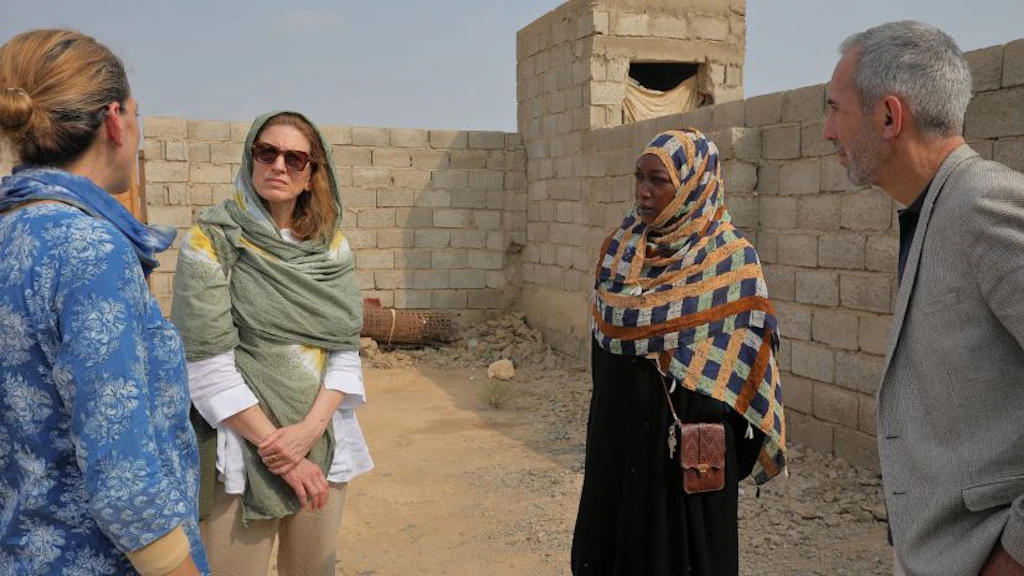
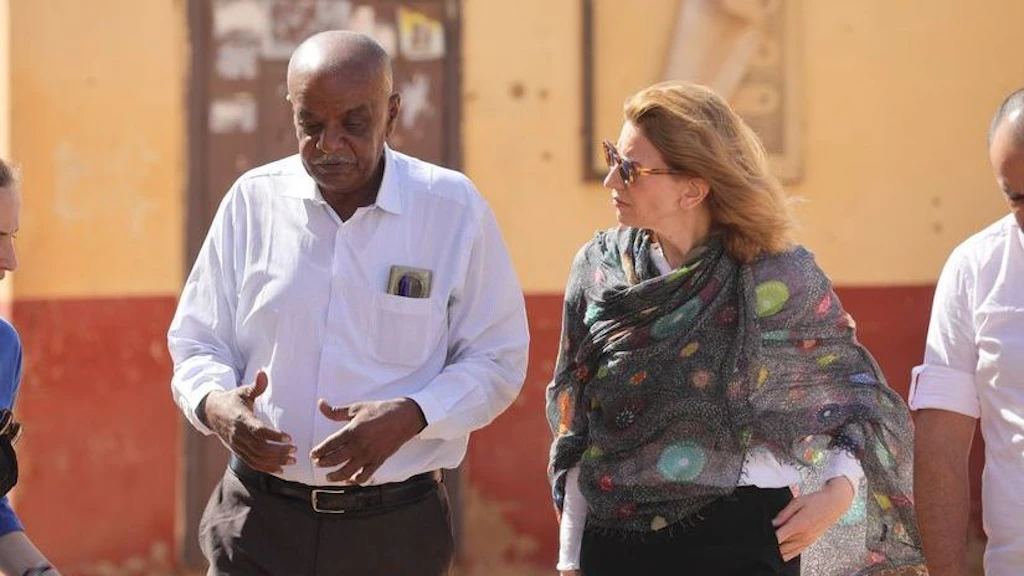
I have indeed. As well as ensuring that funds are used properly, it's essential to look after the people doing the work. That's an aspect that's often overlooked. After speaking with volunteers from the Sudanese Red Crescent, I was struck by the exhaustion that this crisis is causing. Competition for resources between agencies, and the scale of the violence these people are facing on a daily basis all takes a significant toll on their mental health. Psychological support isn't just an issue for the affected communities, it also applies to our humanitarian partners themselves. This is a responsibility we have to take seriously.
Clearly, humanitarian and development aid contribute to the peace process.
The Sudan conference in Berlin will also discuss the prospects for a peaceful resolution to the conflict. What role does Switzerland play in peace promotion?
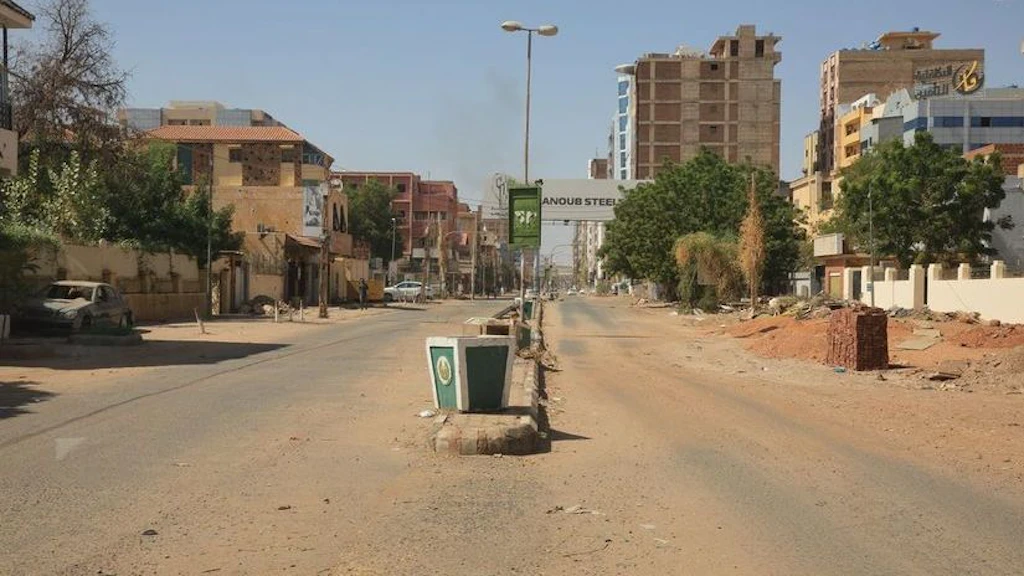
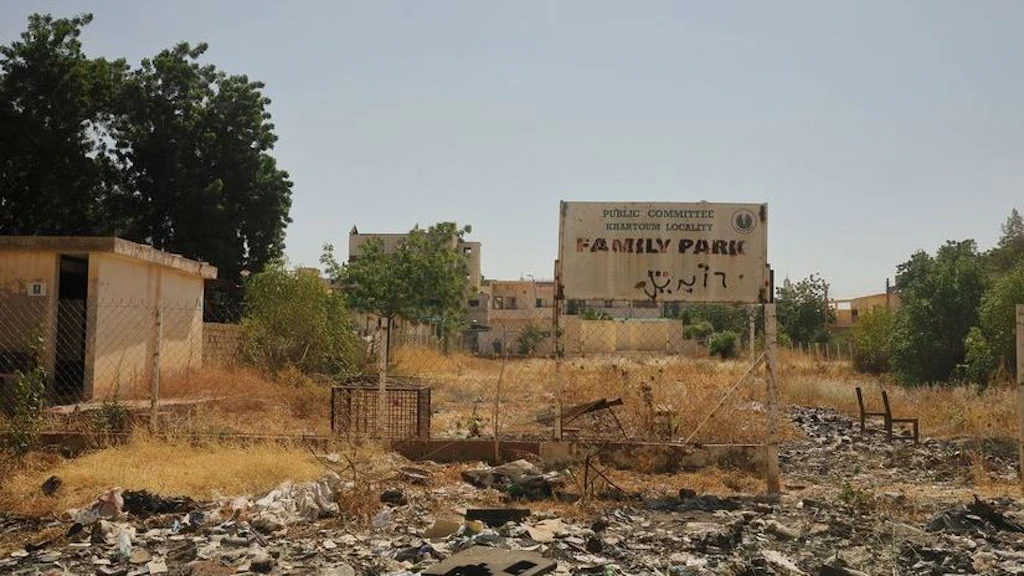
Clearly, humanitarian and development aid contribute to the peace process. Restoring access to healthcare, education and trade, and helping victims of sexual violence to rebuild their lives – all of this lays the foundations for peaceful coexistence. Khartoum, which was once the heart of a diverse and pluralistic society, has been deeply scarred. Rebuilding this social fabric is part of the path to peace.
The political dimension – negotiations, diplomacy, the peace process – falls within the remit of the FDFA's Peace and Human Rights Division, as part of Swiss cooperation's comprehensive approach. The Berlin conference on 15 April, following on from those held in Paris in 2024 and London in 2025, is a case in point. Switzerland has a key role to play here, by emphasising the need to respect international humanitarian law and by calling for a ceasefire. Even if that seems a fragile prospect right now, it's one that mustn't be abandoned.
Swiss support for people affected by the war in Sudan
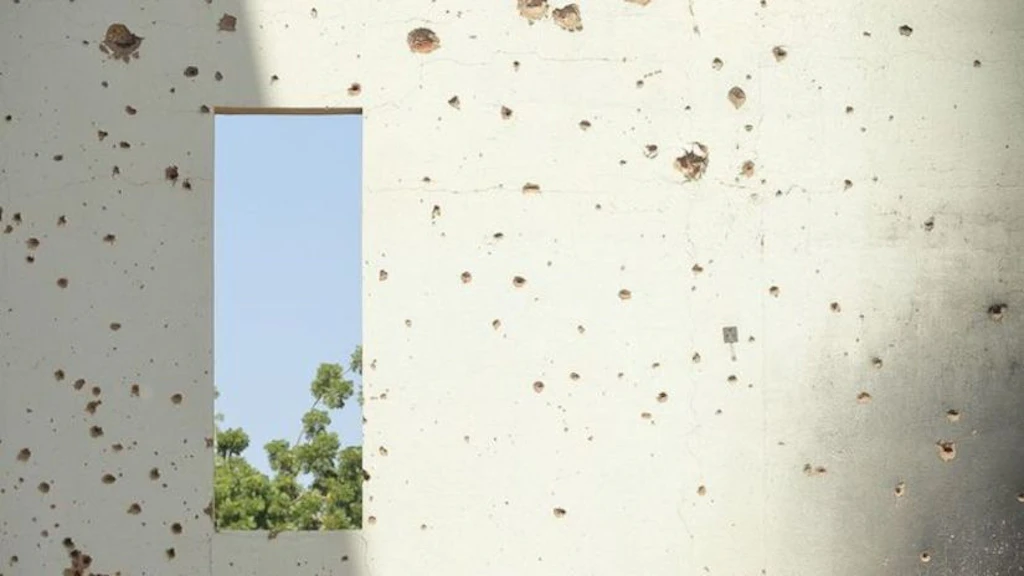
The war between the Sudanese Armed Forces (SAF) and the Rapid Support Forces (RSF) is having devastating consequences for the people of Sudan. It has claimed tens of thousands of lives and triggered a famine. Over 33 million people – around two thirds of the entire population – are dependent on humanitarian aid. Some 13 million people have been displaced, more than 4 million of whom are in the neighbouring countries of Egypt, South Sudan, Chad, Libya and the Central African Republic. Infrastructure has been severely damaged, the health, education and economic systems have collapsed, and ethnic tensions have escalated.
Switzerland providing practical assistance
Since the outbreak of the war, Switzerland has allocated around CHF 213 million to support the people of Sudan and the wider region. This includes the emergency aid credit of CHF 50 million requested by the Federal Council and approved by Parliament in December 2025, plus an additional CHF 23 million for 2026. The Swiss Confederation has deployed the additional funds to combat hunger and malnutrition, to protect the civilian population in an environment marked by violence and human rights violations, and to support displaced persons in Sudan and neighbouring countries. It has done this in collaboration with seven international organisations: the UN Refugee Agency (UNHCR), the World Food Programme (WFP), Médecins Sans Frontières, the United Nations Office for the Coordination of Humanitarian Affairs (OCHA), the International Committee of the Red Cross (ICRC), Save the Children and the Norwegian Refugee Council.
Among other things, Switzerland's emergency aid credit helped to provide the following assistance:
- Just under 4,000 people in Sudan were able to obtain food and essential supplies thanks to direct cash assistance.
- In Sudan, 2,000 particularly vulnerable people received specific protection support, while 42 community centres co-funded by Switzerland recorded over 60,000 visits for psychosocial support, legal advice and protection services.
- In South Sudan, over 25,000 medical consultations were carried out and around 350,000 people were supplied with safe drinking water.
- In Chad, Swiss funding helped to stabilise the water supply and basic sanitation in refugee camps, enabling an average of 12.6 litres of water per person per day to be provided.
- In overcrowded camps, health and prevention campaigns were undertaken (including vaccination campaigns against cholera, measles and hepatitis E) to prevent the outbreak of disease.
- In South Sudan, Egypt and Chad, support was given for the registration, initial care and safe referral of Sudanese refugees, as well as the construction of over 8,000 shelters in Chad.
Sudan: a man-made humanitarian disaster
One year after the outbreak of the conflict in Sudan, millions of people are dependent on humanitarian aid. Switzerland is responding.
Contact
General Secretariat GS-FDFA
Federal Palace West
3003 Bern