Mines and other explosive ordnance still kill and injure around 5,000 people every year. In 2024, the Swiss Confederation further strengthened its commitment to humanitarian demining through the implementation of the 2023-2026 action plan, with a special focus on Ukraine. The FDFA and DDPS report on their activities in the previous year on the occasion of the International Mine Awareness Day.
Mines and other explosive ordnance, such as unexploded ordnance, have devastating consequences even after conflicts have ended. Displaced people are unable to return, agricultural land remains unusable and reconstruction is hindered. Switzerland has been committed to humanitarian demining for over 30 years and further expanded its support in 2024. Last year, it invested around CHF 43.8 million, making it one of the top 10 donor countries in this area.
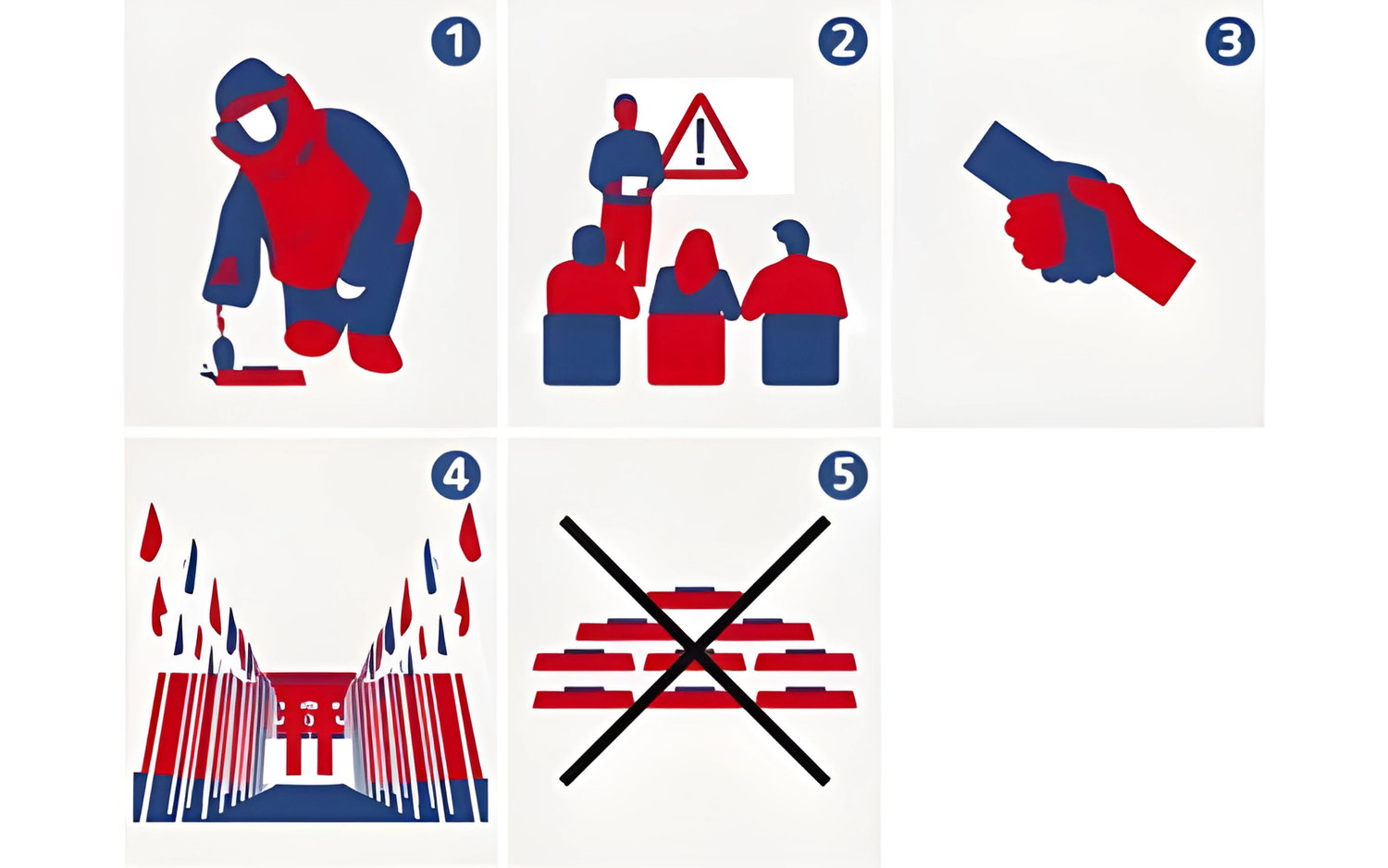
In accordance with the Action Plan, the Swiss Confederation's efforts are divided into three fields of action: 1) Promotion of the normative framework, 2) Humanitarian mine action on the ground and 3) Innovation.
Mines and other explosive ordnance, such as unexploded ordnance or other explosive remnants of war, pose a major threat to the civilian population even years after the end of hostilities. Mine action contributes to alleviating the social, economic and environmental impact of mines and other explosive ordnance, such as unexploded ordnance. On the one hand, it is directly concerned with preventing accidents and new suffering. On the other hand, it aims to enable the sustainable development of the affected communities. For this reason, in addition to the actual clearance work, it also includes Explosive Ordnance Risk Education (EORE), victim assistance, the advocacy for the ban of anti-personnel mines and cluster munitions, and the destruction of stockpiles.
Field of action 1: Promotion of the normative framework
The Swiss Confederation is committed to ensuring that the Conventions on anti-personnel mines and cluster munitions are signed and implemented by all states (known as universalisation). To this end, it uses both multilateral meetings and bilateral contacts. It also supports research projects and promotes young, committed individuals who campaign for these issues in their countries. In 2024, a country announced its withdrawal from the Convention on Cluster Munitions for the first time. Overall, international humanitarian law is under severe pressure. Switzerland will therefore intensify its efforts in this area.
From 25 to 29 November 2024, the States Parties to the Ottawa Convention on the Prohibition of Anti-Personnel Mines met in Siem Reap, Cambodia, for the Fifth Review Conference. An action plan for implementing the Convention over the next five years was adopted. The Swiss delegation actively supported an ambitious plan with a series of actions and clear indicators to monitor progress. It supported Cambodia in the organisation of the conference, in addition to its long-standing commitment to mine action in Cambodia.
Field of action 2: Humanitarian demining on the ground
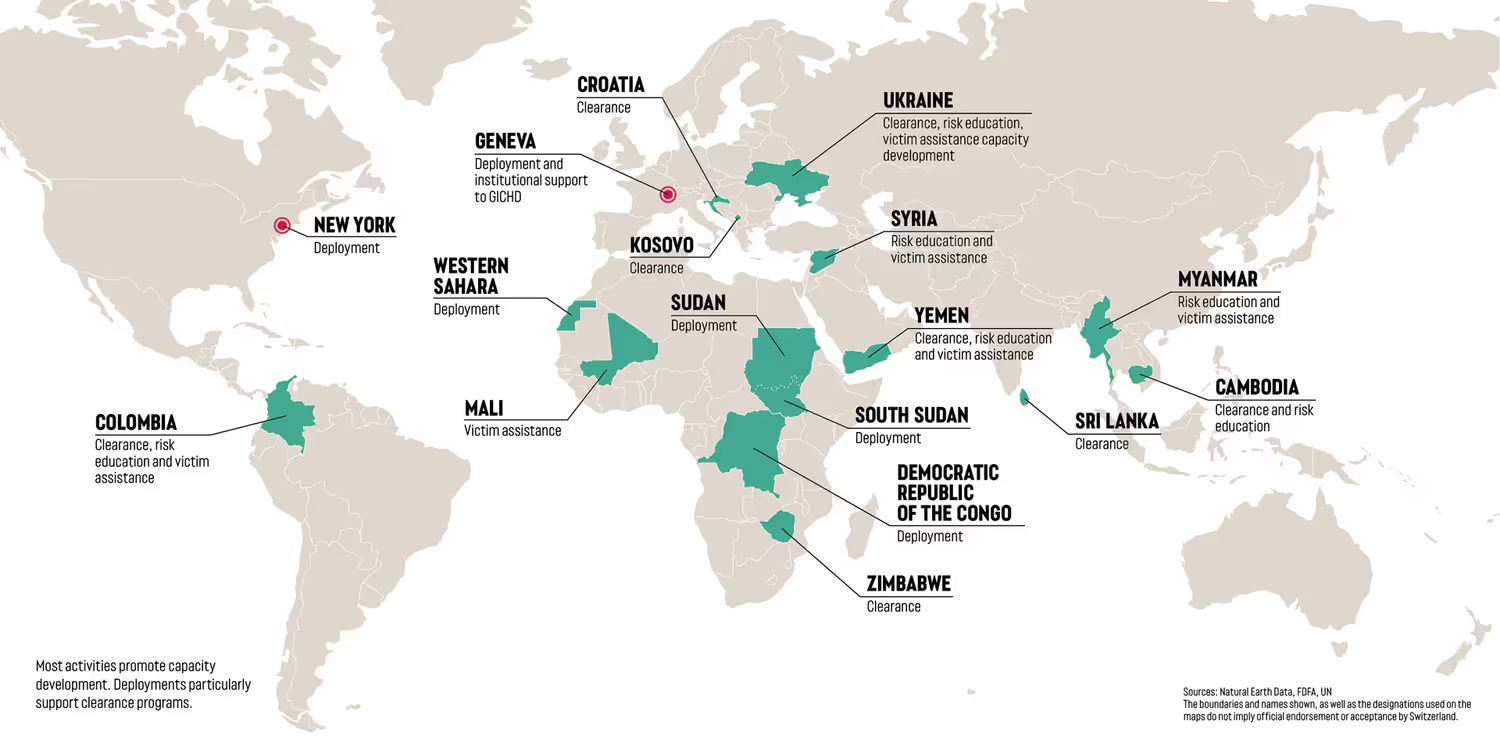
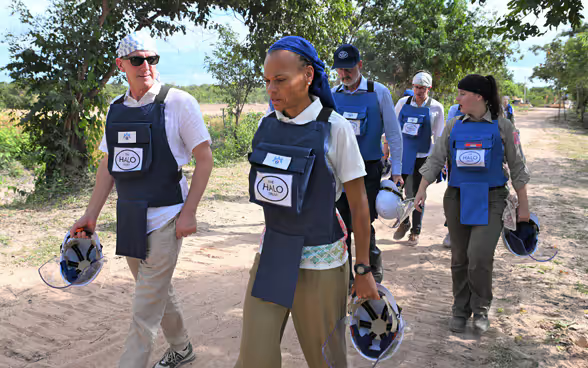
Through projects and the secondment of experts, Switzerland increases the security of the people affected and enables sustainable development. In line with the principle of helping people to help themselves, it particularly supports the development of sustainable national capacities. In 2024, the Swiss Confederation directly supported 11 countries by financing projects and seconded 14 experts to 6 regions. Below are two specific examples of these activities.
The FDFA has been supporting Kosovo for years in its efforts to rid the country of mines and cluster munitions.
In 2024, Kosovo adopted a national strategy to achieve mine-free status by 2030. The strategy was drawn up with the support of the Geneva International Centre for Humanitarian Demining (GICHD).
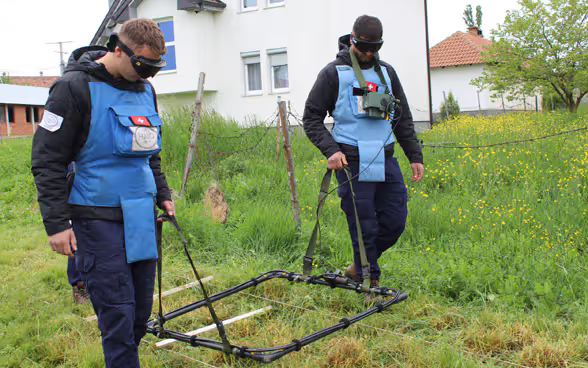
The FDFA's Peace and Human Rights Division (PHRD) has supported the efforts of local and international actors to clear areas throughout the country, with a focus on populated areas where the risk of accidents is higher. Most recently, implementing partner The HALO Trust faced a particular challenge in the western part of Kosovo, as it had to obtain the consent of the local population to gain access to privately owned land and backyards. Furthermore, given the proximity to residential areas, additional security measures were taken to protect the population.
With the support of the PHRD, the remaining cluster munition remnants were located and destroyed during the one-year operation in the small village of Arllat, 30 kilometres west of Pristina, which helped to increase general security and promote long-term peace. The village was declared free of cluster munitions at the end of 2024.
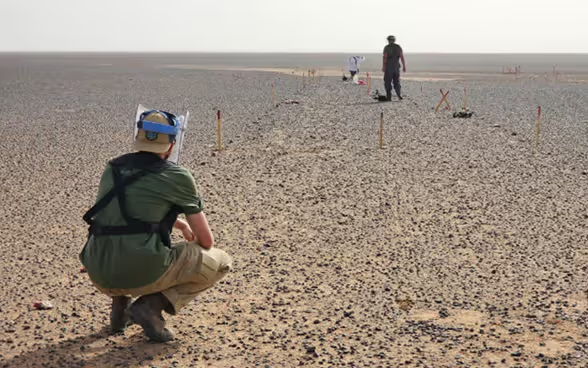
Since June 2024, an explosive ordnance disposal specialist from the Swiss Armed Forces has been deployed to support the Western Sahara programme of the UN Mine Action Service (UNMAS). He works as a civilian operations officer at the headquarters in Laayoune. The position offers a wide range of activities, including support for planning work and projects. The observers of the UN mission in Western Sahara (MINURSO) are regularly sensitised to the danger of unexploded ordnance and minefields. The specialist is also active in the field, for example when checking routes or carrying out quality assurance on minefields. There, it must be ensured that the clearance complies with international mine action standards (IMAS). This collaboration also facilitates the transfer of knowledge and exchange of experience, which is of benefit to the Swiss Armed Forces' Centre of Excellence for Explosive Ordnance Disposal and Mine Clearance (Kdo KAMIR).
The deminer also uses his expertise to support the UN observers in investigating explosions. The identification of ammunition residues and craters provides information about the weapon system used and the approximate direction of fire and can be used in subsequent MINURSO reports.
Since February 2022, Ukraine has become one of the most heavily mined countries in the world. It is estimated that almost a third of Ukraine's territory, an area almost four times the size of Switzerland, is potentially contaminated by mines and other explosive ordnance. On 29 September 2023, the Federal Council approved a package of CHF 100 million over four years (2024-2027). Half of the funds are provided by the DDPS and half by the FDFA. In 2024, the two departments began implementing the package and initiated new projects with various partner organisations. The Swiss Confederation is working in particular with the Fondation suisse de déminage (FSD) and the Geneva International Centre for Humanitarian Demining (GICHD). The FDFA and DDPS have also supplied the Ukrainian authorities with Swiss demining machines from the Digger Foundation and Global Clearance Solutions.
Ukraine Mine Action Conference UMAC2024
With the Ukraine Mine Action Conference UMAC2024, Switzerland and Ukraine jointly organised a high-level meeting to discuss the crucial importance of mine action for the social and economic reconstruction of the country. At the conference, the “Lausanne Call for Action” was adopted, which calls on states to take concrete measures in the field of humanitarian demining and was supported by the majority of the states present.
Those involved in humanitarian demining are doing everything they can to utilise the rapid technological developments. The Swiss Confederation supports these efforts to make humanitarian demining even more efficient, effective and safe.
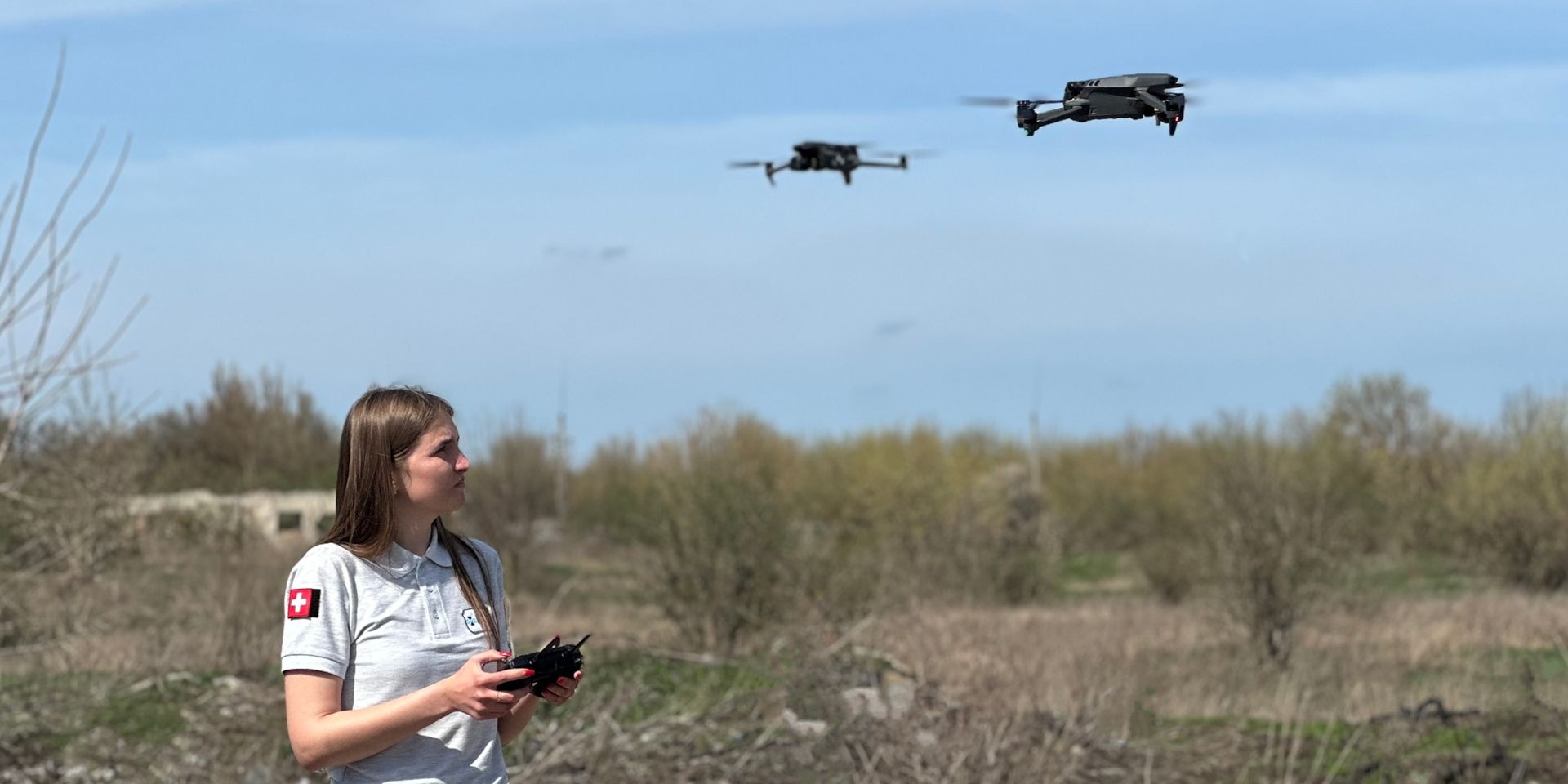
With Switzerland's support, the Fondation suisse de déminage (FSD) in Ukraine used innovative technologies such as drones with radar sensors, satellite images and remote-controlled demining equipment to make mine detection and clearance more efficient and safer. Drones with special ground-penetrating radars make it possible to detect mines and other explosive ordnance, even if they are under the surface or hidden by vegetation. These advanced methods make a significant contribution to speeding up mine clearance and minimising the risks for the teams involved.
Contact
FDFA Communication General Secretariat GS-FDFA Media Federal Palace West 3003 Bern

.jfif?auto=format)