
“The African Union is increasingly positioning itself as a global voice on climate issues”
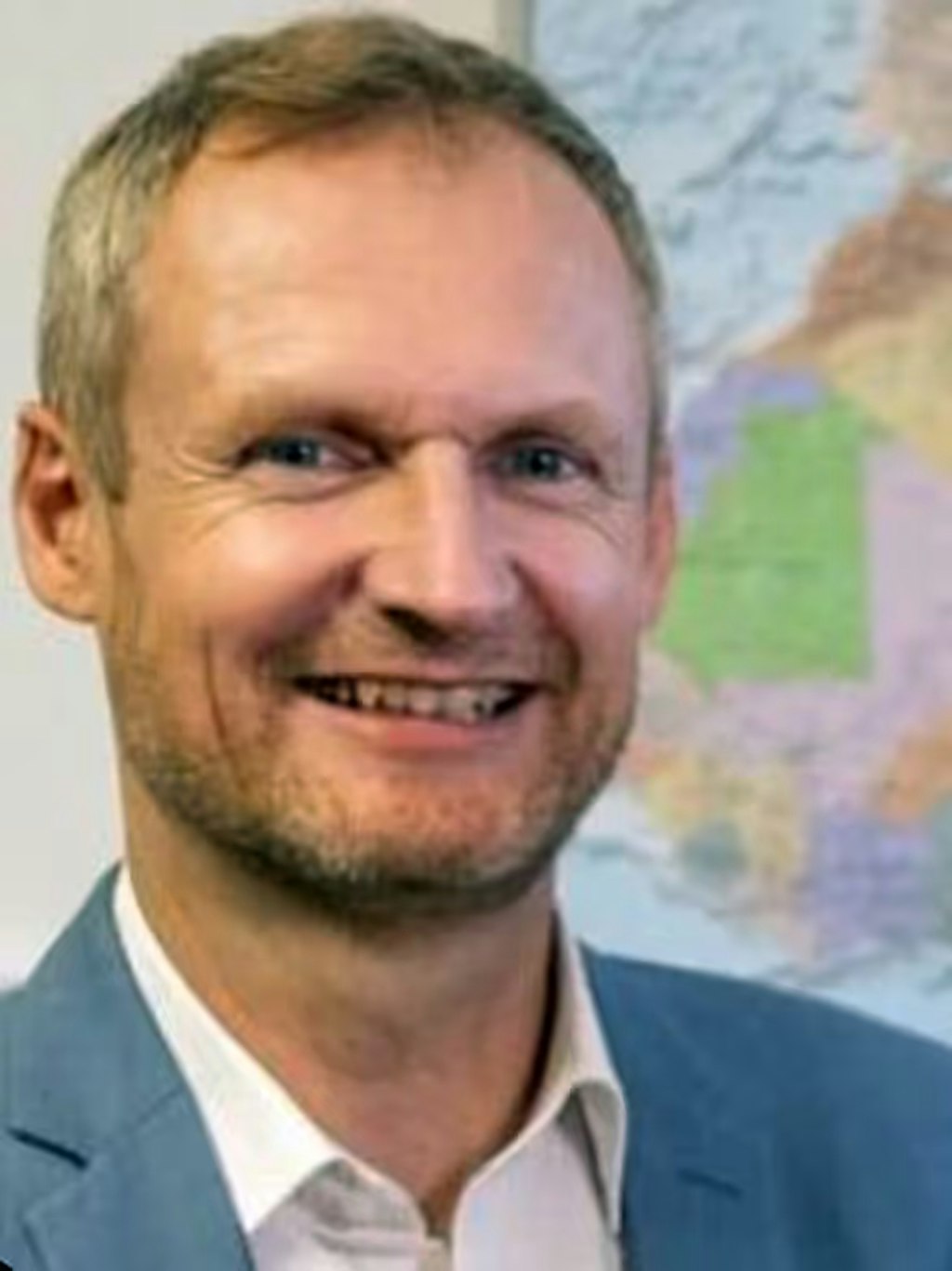
Droughts, heatwaves, floods – the consequences of climate change are particularly apparent in African countries. A conference of the African Union (AU) planned for 8–10 September 2025 in Addis Ababa will focus on how to respond to this. Switzerland holds AU observer status and will be represented at the conference by Ambassador Philipp Stalder, head of the Africa Division of the FDFA's State Secretariat. For Switzerland and International Geneva, the AU is a key partner organisation in Africa – particularly in the areas of climate, peace and security.
Ambassador, you're attending the African Union conference on Africa's climate challenges in early September 2025 in Addis Ababa. What kind of challenges is the continent facing?
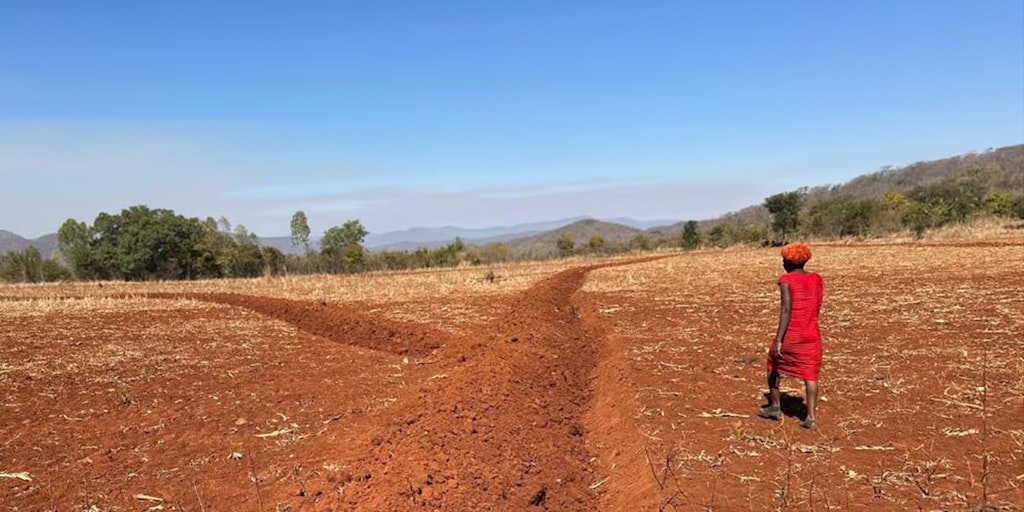
Africa is especially hard hit by the effects of climate change – despite its relatively small share of global emissions. Extreme weather events like droughts, floods and heatwaves are becoming more frequent, directly affecting food security, water supply and public health. Climate change exacerbates existing political, social, economic and environmental stresses and strains, making conflict more likely. We're seeing here how climate and security are strongly influencing each other. And since many states only have limited infrastructure, institutions and financial means to respond to such crises, the impacts are often even more severe.
Nowhere else is the dense nexus between climate, peace and security more clearly to be seen than in Africa.
You mentioned that climate and security impact each other. How and where can we see this happening?
Nowhere else is the dense nexus between climate, peace and security more clearly to be seen than in Africa. In the Chad Basin, for example, fiercer competition for water and grazing land between herders, farmers and fishermen is presumed by the UN to be the cause of more than half of the conflicts. Climate change exacerbates existing risks and protracts and/or intensifies conflicts. In Somalia and South Sudan, extreme weather events such as droughts and floods have led to increased food insecurity and forced displacement in the past. The effects of climate change increase the likelihood of such events and thus the risk of conflict.
How important is working with the African Union for Switzerland?
The African Union is an important partner for Swiss foreign policy in Africa. Switzerland has had AU observer status since 2006 and is accredited to the AU through an ambassador in Addis Ababa. We are observing with interest the growing importance of African multilateralism. The range of issues on which the AU is positioning itself as an important player is constantly expanding, with examples including the environment, health and the AU's admission to the G20. The AU's initiatives are thus increasingly intersecting with various priority areas of Swiss foreign policy. African multilateralism is accordingly one of the priorities of the Africa Strategy 2025–28.
The African Union is increasingly positioning itself as a global voice on climate issues and in February 2022, it adopted the first continent-wide strategy on climate change and resilient development.
One key aspect of Swiss-AU relations is peace and security cooperation, which was formalised in a memorandum of understanding in April 2016. Switzerland's support in this area focuses in particular on developing the African Peace and Security Architecture (APSA). Examples of this include personnel and financial support for African centres of excellence that train and upskill peacekeepers.
Switzerland also focuses on relations between the AU and the UN, facilitating in particular coordination between political actors and experts in Addis Ababa and Geneva. Switzerland also used its seat on the UN Security Council in 2023–24 to foster AU-UN relations. In 2023, it invited one of the five AU Youth Ambassadors for Peace to an open debate in New York and in October 2024, when presiding over the Security Council, it organised talks between high-level representatives of each multilateral organisation.
What role is Switzerland playing at the conference in Addis Ababa?
Our participation in the AU's Second African Climate Summit underscores Switzerland's recognition of the importance of this issue for the continent and the AU's key role here. The AU is increasingly positioning itself as a global voice on climate issues and in February 2022, it adopted the first continent-wide Climate Change and Resilient Development Strategy and Action Plan (2022–32). The conference will also help lay the groundwork for this year's UNFCCC (COP 30), to be held in Brazil. We work on climate, peace and security issues, and have supported the drafting of the AU's planned Common African Position on Climate, Peace and Security (CAP CPS) – a topic that's also relevant to the conference.
How can Switzerland help African countries in coping with the consequences of climate change, specifically?
Compliance with international environmental and human rights standards is a core concern for Switzerland. It is active in international forums on environmental protection and climate change and supports international efforts to achieve the Sustainable Development Goals (SDGs). This includes the bilateral agreements with African partner countries that aim to reduce CO₂ emissions and thereby help to implement the Paris Agreement. Finally, through the SDC, we provide targeted advance funding for projects that help African communities and states deal with the consequences of climate change.
Through the SDC, we provide targeted advance funding for projects that help African communities and states deal with the consequences of climate change.
With which countries are such agreements in place?
We currently have such agreements with Ghana, Kenya, Malawi, Morocco, Senegal and Tunisia, with more to come once negotiations on them are finished. In addition, we are promoting sustainable food systems, responsible management of natural resources, and innovative technologies, to which Swiss companies in the cleantech sector can also contribute.
To what extent does working together with the African Union influence – or facilitate – Switzerland's bilateral relations with the individual African states?
Cooperation with the AU affords Switzerland the opportunity to further strengthen bilateral relations with the 54 African states. The AU is also an important partner for International Geneva. Exchanges between regional multilateral hubs is key for tackling global challenges efficiently. Many of the global issues that the international community and Switzerland are working on in Geneva overlap with the AU's priorities, such as human rights, health, migration, climate change and peace and security.
Switzerland's interests in Africa range from business and development to security, multilateral cooperation, peace, democracy and migration.
This year, the federal government has started implementing the Federal Council's Africa Strategy 2025–28. What are the main objectives of the strategy – apart from closer cooperation with the African Union?
The population of Africa – comparatively young and growing rapidly in many countries – will contribute decisively to global development in many respects over the coming decades. The strategy recognises both the necessity and the opportunity to strengthen relations with this dynamic and emerging continent. Derived from the core mandate of Swiss foreign policy – safeguarding Switzerland's security, prosperity and independence – Swiss interests in Africa range from economic affairs and development to security, multilateral cooperation, peace, democracy and migration. The Federal Council also attaches importance to taking account of the volatile context and rapid changes on an ongoing basis in order to achieve the best possible impact with our foreign policy instruments.
Is it too soon to give us some individual examples of how the strategy is being implemented?
No; after just a few months, the strategy is already bearing its first fruits. One example of this is Geneva's closer ties with the African Export-Import Bank (Afreximbank). The strategy's objectives include strengthening the strategic partnership with this multilateral African financial institution and, more specifically, promoting Geneva's application to become the location of the bank's European office. The stepped-up partnership made headway in June 2025, and it has since been confirmed that Afreximbank will open its European office in Geneva. This is a promising example – not least because the objective was achieved through cooperation between various departments of the Federal Administration. We hope that this will provide new impetus and business opportunities for the Swiss export industry in Africa. Another concrete example is how, as mentioned above, Switzerland is pressing ahead in implementing its Article 6 Paris Agreement climate commitments: over 11,000 internationally transferred mitigation outcomes (ITMOs) were issued to Switzerland this year from Ghana – the first arrangement of this kind with an African country.
FDFA Communication
3003 Bern