

Weapon delivery systems and space security
The proliferation of missile systems, such as rockets and drones, and the militarisation of space pose a danger to security on Earth and in space. Switzerland advocates in various forums for the non-proliferation of delivery systems for conventional weapons and weapons of mass destruction. It is also seeking stricter rules on how space may be used and greater transparency to ensure the functioning of critical infrastructures.
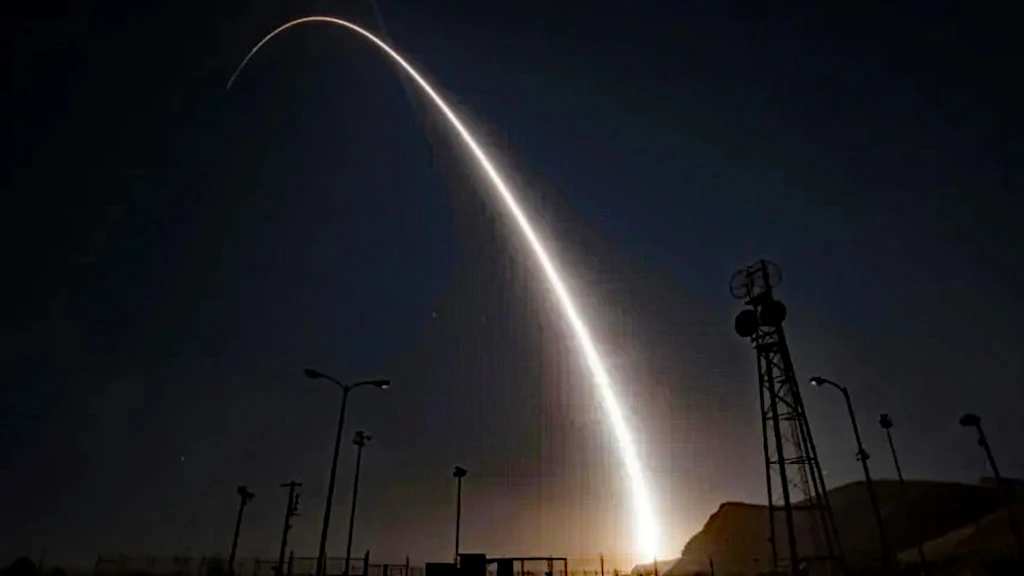
Weapon delivery systems
Technical progress in the development of weapon delivery systems (e.g. ballistic missiles, cruise missiles and other unmanned aerial vehicles and drones) and their increasing proliferation have a destabilising effect internationally and contribute to various threat scenarios. Certain systems can carry nuclear, chemical or biological weapons in addition to conventional warheads. An essential part of Switzerland's non-proliferation efforts is therefore to prevent the proliferation of systems capable of carrying weapons of mass destruction. Attempts to address this issue at the multilateral level have been few and far between. Weapon delivery systems are thus not yet regulated by any international agreement that is binding under international law.
There are however two politically binding multilateral initiatives that seek to address the problem:
Space security
The development of ballistic missile systems has close ties with space programmes – both civilian and military. In recent years, space has become indispensable to networked infrastructures. The strategic importance of outer space is growing with the rapid development of space applications and increasing number of actors in space. Space security and the sustainability of space-based systems are matters of increasing urgency.
The United Nations Outer Space Treaty is the most important agreement in this field. It prohibits states from placing nuclear weapons or other weapons of mass destruction in outer space. The treaty does not cover conventional weapons.
The existing international norms are only partially applicable to outer space. Switzerland therefore supports the development and further refinement of governance instruments relating to space. Particular attention is paid to the application of international humanitarian law and the development of standards and norms for responsible and predictable behaviour, involving all relevant actors.
Switzerland favours legally binding and verifiable agreements, but also sees benefits in politically binding agreements such as an international code of conduct on space activities. It supports an approach recently proposed by the United Kingdom to this end. A politically binding agreement could pave the way for more far-reaching legally binding agreements by reaffirming certain ground rules and promoting trust, transparency, security, stability and sustainability in outer space.