
Competitive selection process 2026: home and away
The application window for the FDFA's transferable careers competitive selection process has been open since 22 May 2026. This three-part series has been devised to give you an overview of the challenges and opportunities of transferable careers. In the concluding section, two FDFA employees give a first-hand account of what it is like to move to a new location every three to four years, from a professional and personal perspective.
The application window for the FDFA's transferable careers competitive selection process has been open since 22 May 2026. This three-part series has been devised to give you an overview of the challenges and opportunities of transferable careers. In the concluding section, two FDFA employees give a first-hand account of what it is like to move to a new location every three to four years, from a professional and personal perspective.
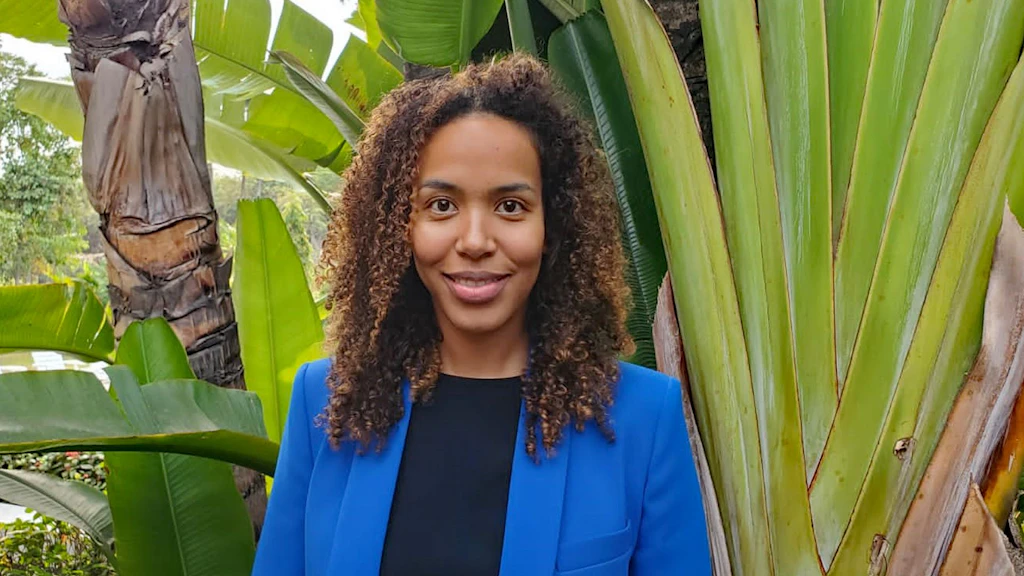
What originally motivated you to become a diplomat?
I identify strongly with Swiss foreign policy and the tradition of good offices, as well as with our institutions, which are geared towards compromise and the protection of minorities. This and my work experience at the UN, within civil society and at the FDFA convinced me that a career in diplomacy combines everything I aspire to professionally. My multicultural background, combined with my life and work experience on different continents, had also strengthened my desire to live out my Swiss identity through dialogue with other cultures. I therefore saw the transfer regime as an opportunity to remain rooted in my home country and at the same time to broaden my personal horizons in new contexts and to represent and help shape Swiss foreign policy in the long term.
How do your children and partner deal with new countries and cultures and what are the biggest difficulties?
My husband and children (8 and almost 5) are very open and interested in new cultures and countries and love travelling. So far, they have had many positive experiences and see discovering new places as a privilege. At the same time, they also have to bear the difficult aspects of the transfers: saying goodbye to close friends is particularly difficult for our children. Switzerland is also clearly home for our children and we take great care to travel there regularly, to maintain contact with our environment at home and to consolidate their Swiss identity. For my husband, the biggest challenge is continuing his career despite having to move frequently. In fact, he has had to turn down work opportunities because of the requirement to relocate.
How do you as a family organise the transition between different countries and cultures?
At home, we play everything from Swiss children's songs like Schwiizergoofe and det äne am Bärgli, to Congolese rumba and Om Kalsoum. Besides music, language is also an important factor for us. We speak Swiss German and French with the children. That forms the foundation and also plays a major role in shaping their identity. At the same time, we encourage them to be open-minded and curious when encountering new languages, cultures, and people. As a family, we talk about the wonderful and challenging aspects of new countries. In Kinshasa, for example, alongside the city's poverty and pollution, we also teach them about the city's cultural richness and the national football team.
What do you personally appreciate about experiencing this job together with your family?
I consider it a great privilege to be able to discover so many different sides of the world with my family and at the same time return to Switzerland again and again. This lifestyle and the shared experiences – some of which have been truly incredible – have probably brought us closer together as a family.
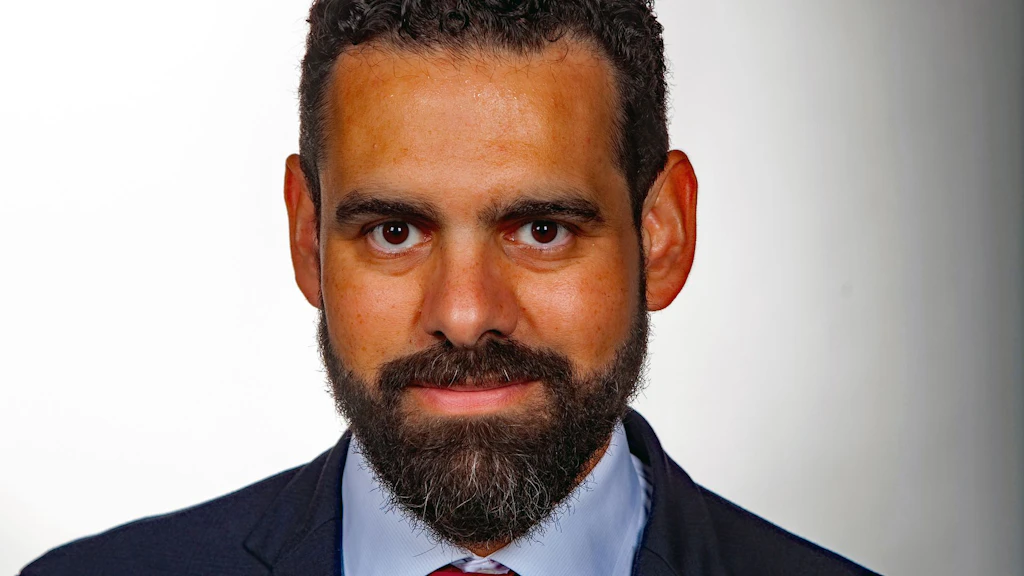
How would you explain your job to someone who isn't already familiar with it?
My job is essentially to translate complex problems into concrete solutions – from humanitarian aid in crises to better vocational training or support for communities. I work in countries where Switzerland has international cooperation programmes, in the Global South and in Eastern Europe. My work involves a balance between fieldwork and conference rooms, mediating between local needs, partner governments, and international actors. This also means a lot of coordination – and administrative work behind the scenes. Ultimately, what matters is where Switzerland can make a tangible, positive difference.
What is the difference between expectations before the posting and the reality on the ground?
Before the posting, you read reports and books and watch documentaries, so you think you have some idea of the context. However the picture changes once you're there. The broad outlines are often correct, but they're not enough. The interconnections, room for manoeuvre and tensions turn out to be different in encounters and routines, networks of relationships and implicit rules, and the dense texture of everyday life, including the sounds and smells, as well as the way people live and improvise. This is where the real understanding – or confusion – begins.
How do you deal with changes in the security situation? Which personal qualities have helped you the most and which did you have to learn first?
I use reliable sources and avoid doomscrolling – much of what circulates is unverified and needlessly stokes fear. When it comes to security and mobility, I consistently adhere to the assessments of the representation and the authorities. Routines have helped me: running regularly, a fixed daily structure, breaks. Socialising with others is also important – we would cook together or organise film nights, for example. I had to learn that you don't deal with challenging security situations as an afterthought: the key is to consciously keep your distance and leave the country regularly.
Applying for a transferable FDFA career
For the consular career (management level) and diplomatic career the application period runs from 22 May to 16 June 2026. Recruitment for the diplomatic career (profile II) will take place from 18 May to 1 June 2026.
Discover our vacancies and apply now:
Prepare for your success now – with our guide ‘How do I prepare for the competitive selection process?’:
“Openness is a basic requirement”
In this interview, Chasper Sarott, head of FDFA Human Resources, explains the importance of the transfer regime and the opportunities and challenges it presents.
Concours 2026: “Our home has followed us”
Two FDFA employees talk about their experiences and give an insight into what it means to change your place of work and residence every three to four years.
Contact
General Secretariat GS-FDFA
Federal Palace West
3003 Bern