
Good offices
Switzerland has a long-standing tradition of providing good offices. Thanks to its independence and impartiality, its democratic system based on exchange, balance and compromise, and its experience with cultural diversity, Switzerland creates trust and can build bridges where others are blocked.
In international law and in the field of international relations, the term ‘good offices’ refers to all diplomatic and humanitarian initiatives by a third country or a neutral institution aimed at settling or bridging a bilateral or international conflict.
What are good offices?
Good offices are an instrument of foreign policy and describe the efforts of a third party to contribute to the peaceful settlement of a conflict between two or more parties.
Switzerland's good offices consist of three areas:
- Protecting power mandates: taking over some of the consular and/or diplomatic tasks if two states break off their relations either fully or partially
- Host state: the role of hosting international conferences or high-level meetings
- Mediation: mediation and dialogue facilitation in conflicts
When do good offices come into play?
Switzerland makes its good offices available:
- if it creates added value through its expertise and reputation
- if there is a request from one or more parties to the conflict
- if it serves Swiss interests (peace, security, stability, economic and social well-being in Switzerland and internationally)
How can Switzerland make a difference?
Protecting power
Switzerland has traditionally played the role of protecting power. The number of such mandates fluctuates and depends on the state of conflicts around the world. Switzerland may fulfil a protecting power mandate on request if states have decided to break off diplomatic and/or consular relations. With the consent of all parties involved, the protecting power assumes the mandate agreed with the sending state such as acting as a channel of diplomatic communication or ensuring the protection of its nationals in the host state. Protecting power mandates enable states to maintain a minimum level of relations or communication in the event of a crisis. As of February 2026, Switzerland has eight protecting power mandates.
Host state
As a neutral country, Switzerland has an extensive network of embassies all over the world and invests in maintaining good relations with all countries. Switzerland is regularly asked to organise peace talks, negotiations and high-level meetings.
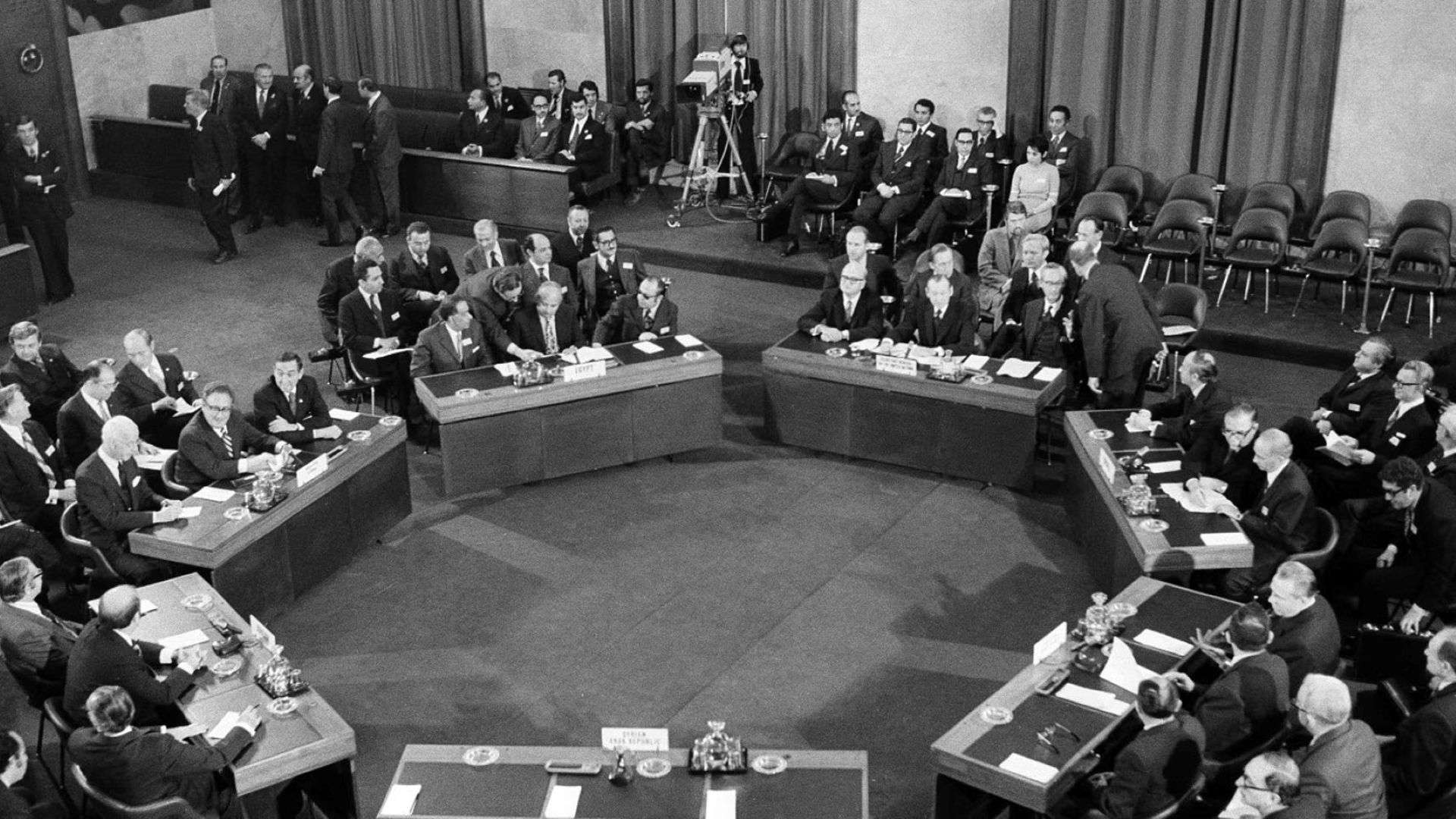
International Geneva is particularly suitable for this, as the representation of countries by diplomatic missions is almost universal and Geneva is home to numerous international organisations (such as the UN and the ICRC) as well as many NGOs and economic and scientific institutions. Over the past 50 years and more, Switzerland has distinguished itself in particular as a host of major conferences. It hosted important East–West disarmament conferences during the Cold War, e.g. the second phase of the Helsinki Conference on Security and Co-operation in Europe (CSCE) between 1972 and 1975. In doing so, it helped to ease tensions on both sides of the Iron Curtain and thus contributed to ending the Cold War. Even today, Switzerland remains an important platform for meetings of high-ranking decision-makers, delicate negotiation processes and countless peace talks.
Facilitation and mediation
The instruments of facilitation and mediation are used to resolve conflicts. When Switzerland brings the parties to the table without taking part in the dialogue itself, this is referred to as facilitation. When it also supports peace processes in terms of content and actively participates in finding solutions, this is referred to as mediation. Mediation and facilitation usually take place behind the scenes and require expertise, discretion and perseverance.
Over the past few decades Switzerland has supported over 30 peace processes in more than 20 countries. One example is Mozambique, where civil war flared up once more in 2013. In 2016, the government and the opposition in this southeast African state asked Switzerland to provide its good offices. Switzerland acted as a mediator in the peace negotiations, which resulted in a peace agreement on 6 August 2019. In the past, Switzerland already played an important role in peace processes in Burundi, Colombia, Myanmar and Sudan. Currently it is actively involved in mediating or supporting dialogues, facilitation and negotiation processes in the following contexts: Colombia, Libya, Syria, Kosovo and Serbia, Lebanon, Georgia and Sri Lanka, to name but a few.
Videos
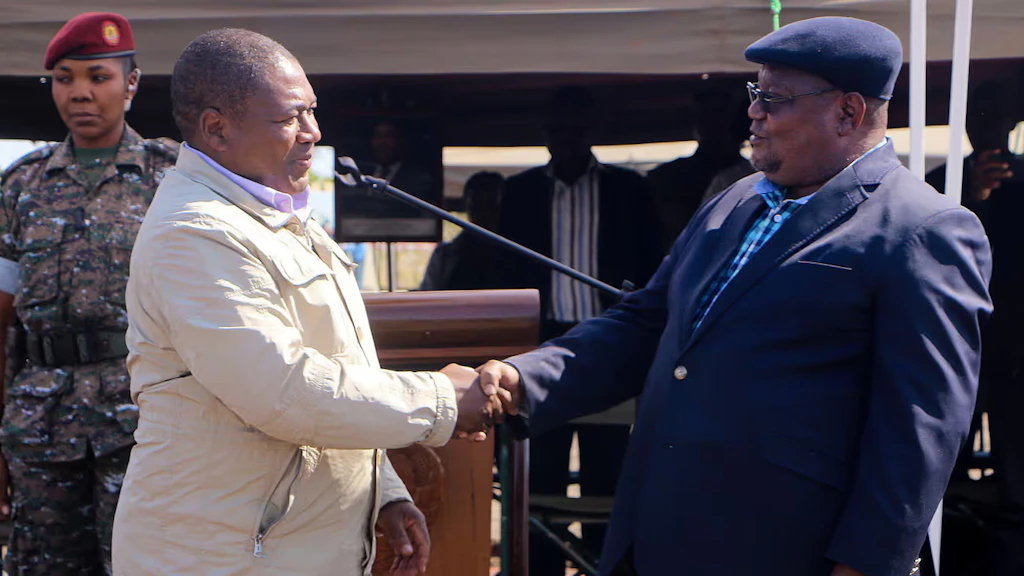
What does it mean to create spaces for dialogue for peace? Examples from Africa
The FDFA's Peace and Human Rights Division is committed to promoting peace. Some examples of Switzerland's good offices in Africa.
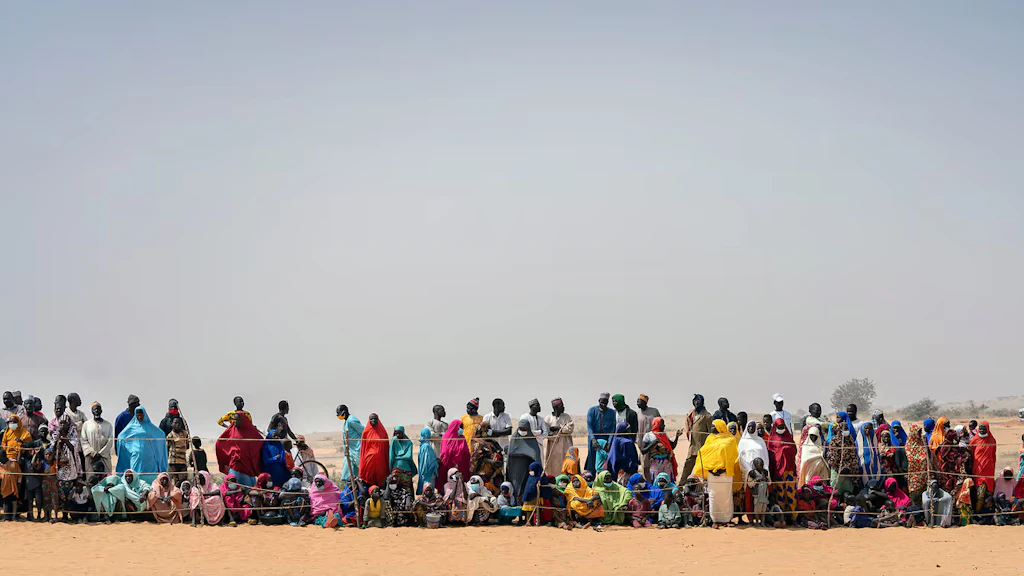
Engaging in dialogue to reduce violence: Switzerland's good offices are keeping pace with the times
The FDFA's Peace and Human Rights Division is working in the Sahel region to find concrete solutions for peace. Examples of good offices.
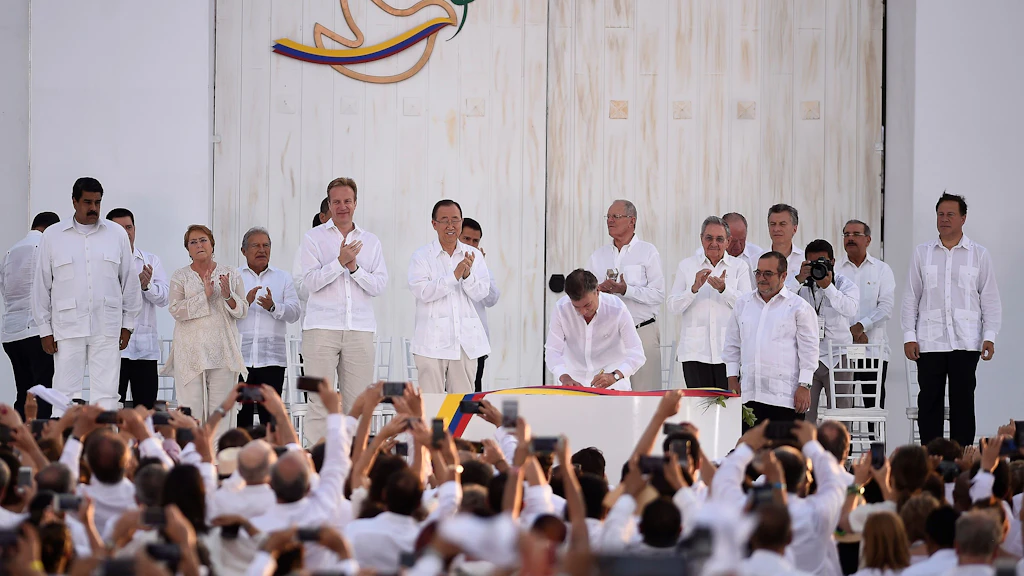
Mediation and dialogue
As an internationally recognised and valued partner, Switzerland supports peace processes in around 20 countries.
Contact
State Secretariat STS-FDFA
Effingerstrasse 27
3003 Bern