
Humanitarian Reset in Geneva
Humanitarian Networks and Partnerships Week will take place from 2 to 12 March 2026. It provides a forum for exchange, consultation and the development of practical solutions to humanitarian challenges. This year's focus is on the “Humanitarian Reset”, an ambitious reform process for the entire sector. Local organisations are set to play an important role.
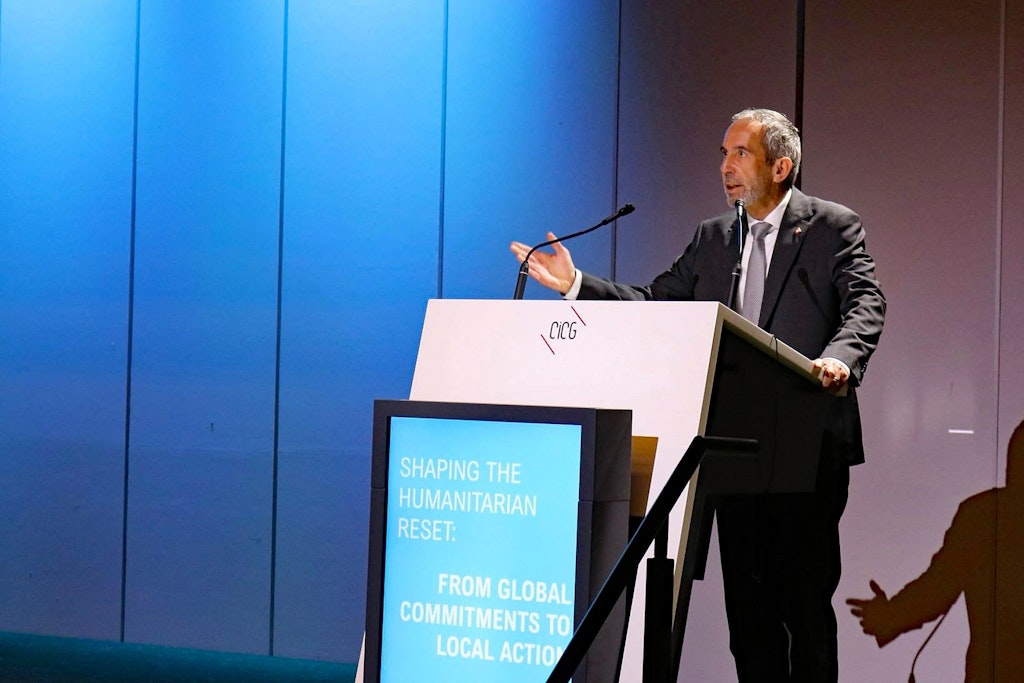
Humanitarian Networks and Partnerships Week (HNPW) will take place from 2 to 12 March 2026 and is one of the largest gatherings of member states, UN organisations, non-governmental organisations, the private sector, academia and other stakeholders. As a cross-system platform, it provides a space for exchange, consultation and the joint development of practical solutions to humanitarian challenges. HNPW is hosted by the Swiss Agency for Development and Cooperation (SDC) and organised by the United Nations Office for the Coordination of Humanitarian Affairs (OCHA).
HNPW in transition: 2015 to today
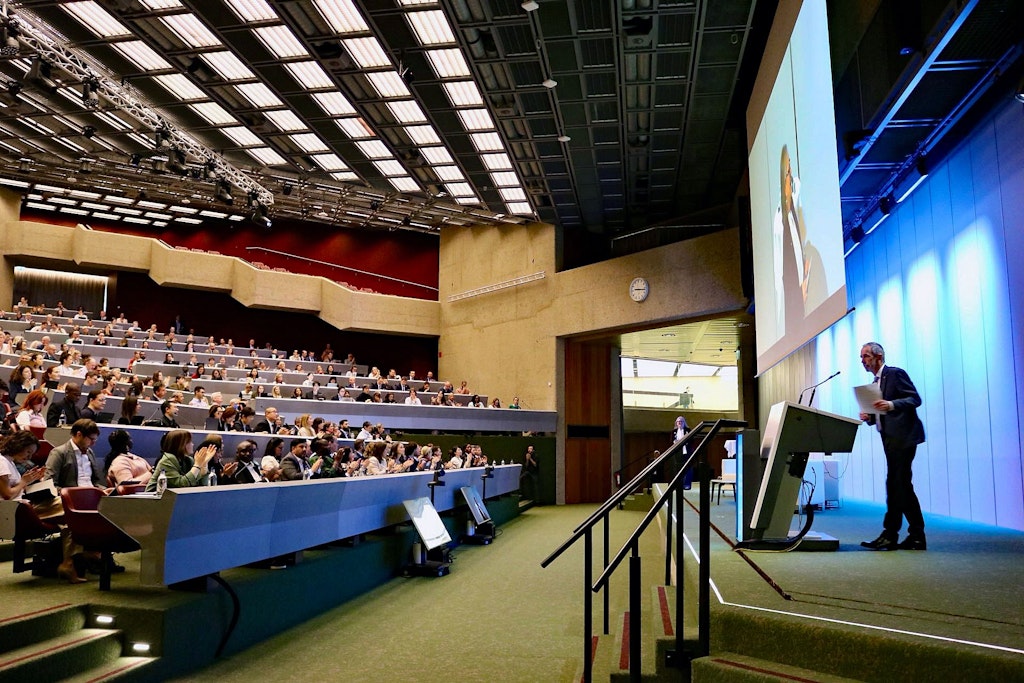
From 2015 to 2020, HNPW was held annually at the Geneva International Conference Centre (CICG) and saw a steady increase in participant and network numbers. In 2021, it was held entirely virtually due to the COVID-19 pandemic. Since 2022, the event has been held in a hybrid format, with an online phase followed by a week of in-person meetings in Geneva. Its hybrid format also enables the participation of humanitarian actors, as well as local and regional partners from the Global South.
A shortened version of the event is planned for 2026: HNPW will take place online from 2 to 6 March 2026, followed by a shortened hybrid segment from 10 to 12 March 2026.
Humanitarian Reset
The Humanitarian Reset is a United Nations initiative. The initiative aims to reform the heavily burdened and chronically underfunded international humanitarian aid system. The focus is on faster, more locally oriented and more efficient aid that targets the most urgent needs. The aim is to transfer more decision-making power to local actors, reduce bureaucratic processes and consistently prioritise life-saving measures in crisis situations.
“Humanitarian Reset”
As a practice-oriented event supported by experts, the HNPW differs from traditional humanitarian conferences. Participating networks and partnerships design their own programmes, organise meetings and invite relevant stakeholders. In addition, joint meetings on overarching topics are held to promote exchange and cooperation. This year's focus is on the “Humanitarian Reset”, a proposed reform of the humanitarian system aimed at strengthening its efficiency and effectiveness.
The aid that comes first and goes last
Local non-governmental organisations (NGOs) are considered to be of central importance in the context of the Humanitarian Reset. They are firmly rooted in the affected regions and have in-depth knowledge of local contexts, cultures and languages. This often enables them to identify needs more quickly and accurately and to tailor appropriate measures accordingly. In addition, local NGOs enjoy a high level of trust in many communities, which enables them to operate even in sensitive and complex contexts.
Due to their local presence, they often provide initial support immediately after crises or disasters, often before international actors become active on the ground. At the same time, local organisations often remain involved even after the acute phase has passed, contributing to long-term reconstruction and support for the affected population. Against this backdrop, local NGOs are considered key players in providing effective, context-specific and sustainable humanitarian aid.
Volunteers as the lifeline of aid
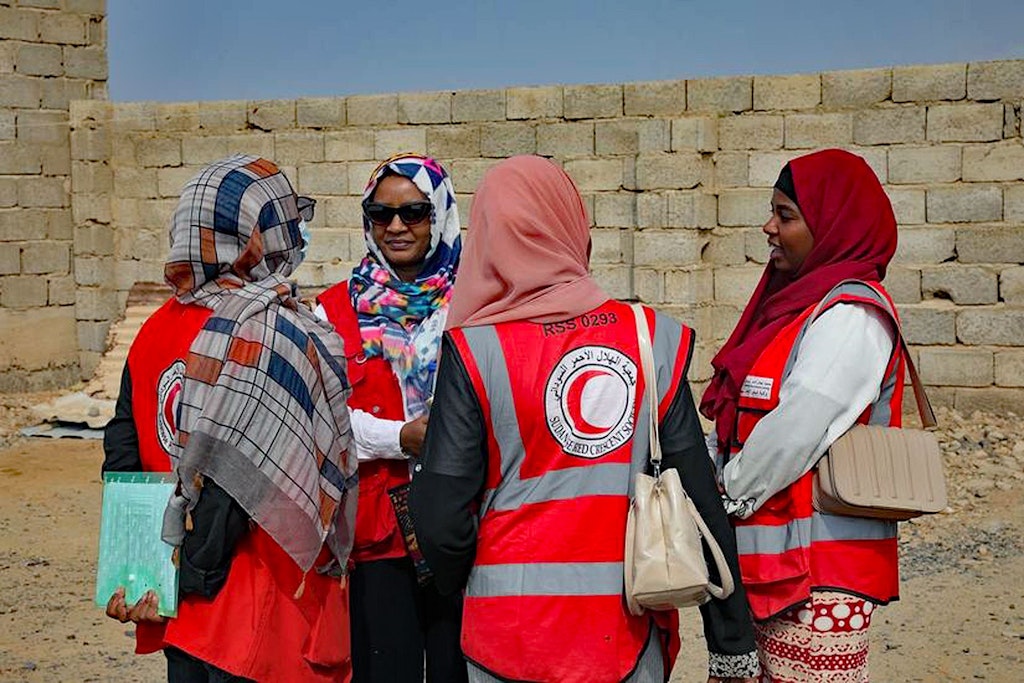
In the ongoing conflict in Sudan, local aid networks have become a crucial lifeline for millions of people. This is particularly true for those trapped in areas that international humanitarian organisations can hardly reach for security reasons. These groups consist of neighbours, young volunteers, nursing staff and students who join forces to support isolated communities with food, clean water, medical care and safe evacuation options.
Thanks to their close ties to the communities and their ability to move quickly and discreetly, they are often the only ones able to provide assistance, even in particularly hard-to-reach areas. Despite considerable dangers, including threats from armed groups and acute supply shortages, their missions have saved the lives of countless families and helped maintain contact between people in one of the world's most severe humanitarian crises.
Geneva – the bridge between levels
HNPW takes advantage of Geneva's international status, where local NGOs have direct access to states and international organisations. Geneva connects different levels: the strategic with the operational, states with international organisations, and international with local actors.
This enables local organisations to contribute their practical experience to political debates, present reports and testimonies, and draw attention to human rights violations or humanitarian crises. Geneva is therefore considered a global centre for political advocacy.
Links
Contact
General Secretariat GS-FDFA
Federal Palace West
3003 Bern