
Emna Rumantscha
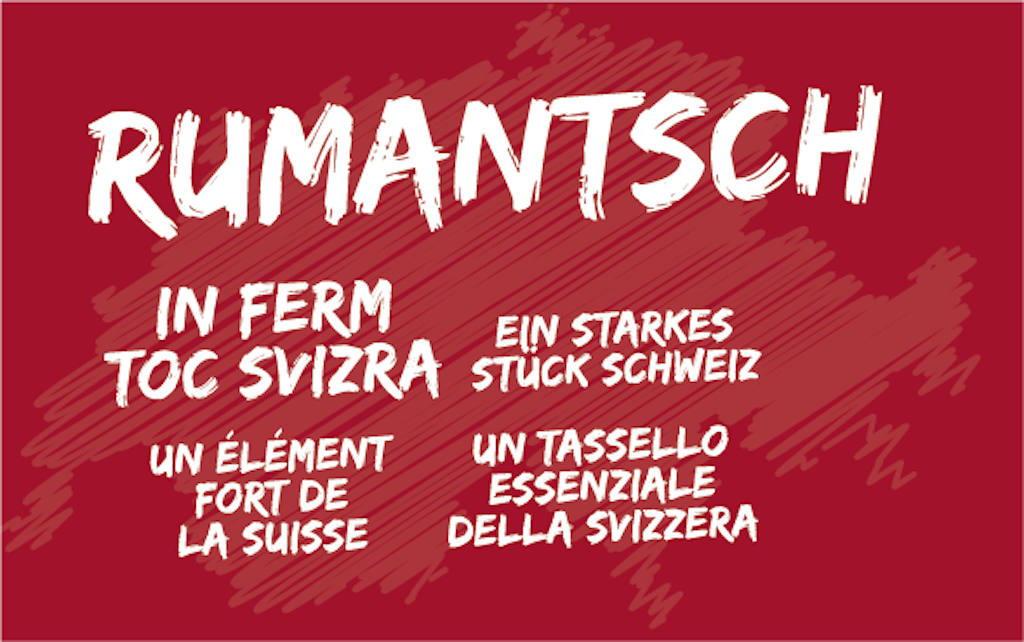
Romansh Language Week (Emna Rumantscha) was created on the initiative of Federal Councillor Ignazio Cassis, and has been organised by the FDFA, the Canton of Graubünden and the Lia Rumantscha since 2021. It aims to highlight the importance of multilingualism for Switzerland's national cohesion and foreign policy by shining a spotlight on the country's smallest and oldest national language.
This page is also available in Romansh.
It was in the village of Zuoz (Upper Engadine, canton of Graubünden) that Federal Councillor Ignazio Cassis first presented the idea of an International Romansh Language Week to mark the 100th anniversary of the Lia Rumantscha in 2019. The Federal Department of Foreign Affairs (FDFA) then joined forces with the Canton of Graubünden and the Lia Rumantscha to turn this idea into a reality. The first edition of Romansh Language Week took place in 2021. Since then, it has been held every year in the week of 20 February, the day in 1938 when Romansh officially became Switzerland's fourth national language (see box below).
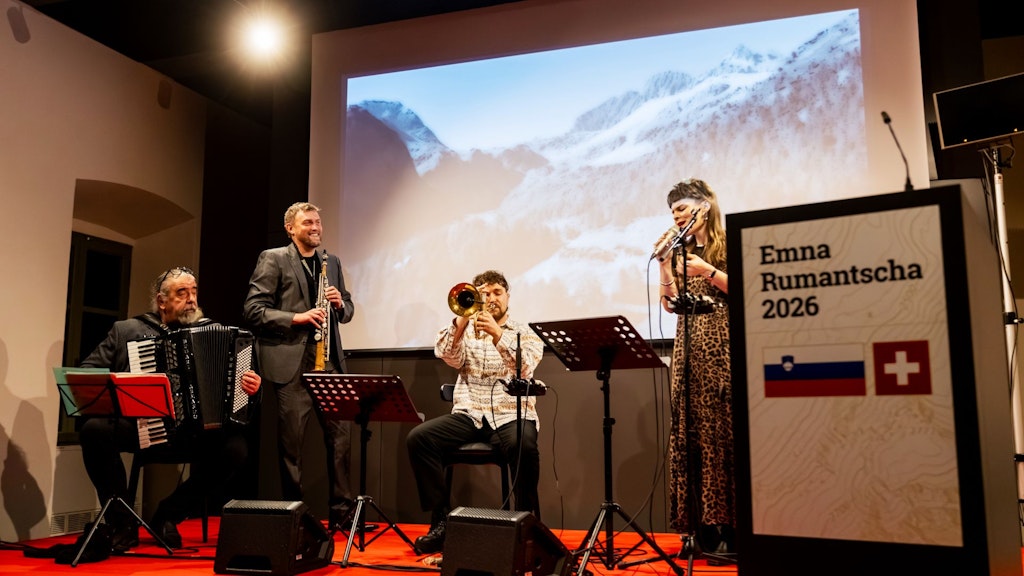
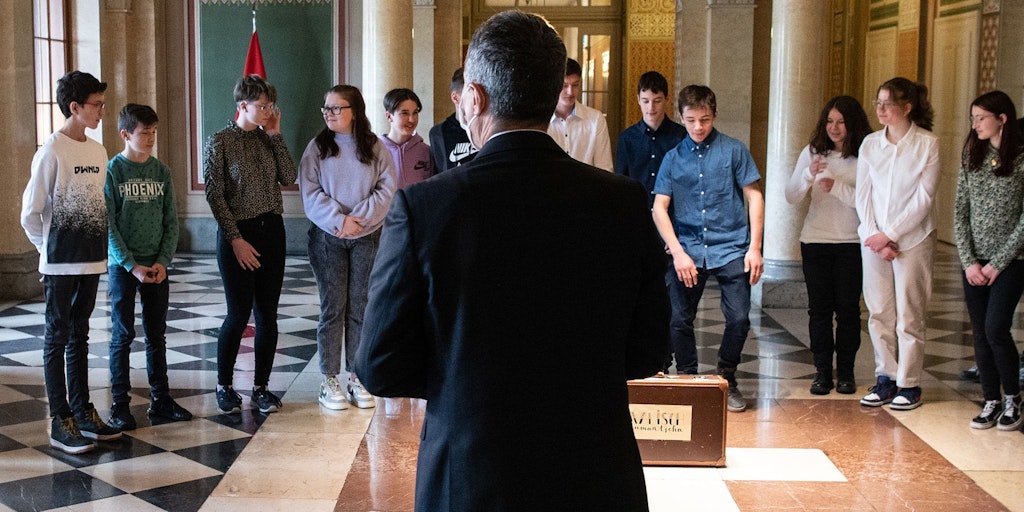
Romansh Language Week always begins with an official event, either in Switzerland or abroad, attended by Mr Cassis. Switzerland's representations abroad also play a key role in the week by promoting the Romansh language and culture in their respective countries through meetings, events or language courses.
Romansh Language Week is celebrated in many different locations, but its objectives are always the same: to highlight the importance of multilingualism in Swiss national unity and foreign policy, to raise awareness of the Romansh language, and to emphasise the multicultural nature of life in Switzerland. As Mr Cassis explains, “Romansh Language Week is an opportunity to share with other countries the daily experience of living among a wide diversity of cultures and opinions. Plurality is a resource that nurtures dialogue, something that is becoming ever more essential in today's difficult geopolitical context.”
.jfif?w=1024&auto=format)
.jfif?w=1024&auto=format)
.jfif?w=1024&auto=format)
Romansh in brief
Romansh is a Latin language, just like Italian, French and Catalan. It comprises five regional variants, or dialects: Sursilvan, Sutsilvan, Surmiran, Puter and Vallader. These dialects, used in both their spoken and written forms, have their own grammars and dictionaries.
Romansh became Switzerland's fourth national language in 1938, when 91.6% of the Swiss people voted in favour of its recognition. In order for Romansh to be used in the Federal Administration, Rumantsch grischun, the standardised supra-regional form of the language, was created in 1982.
In Switzerland, 0.5% of the population have Romansh as one of their main languages, according to the latest figures from the Federal Statistical Office. The Lia rumantscha reports that 40,000 people speak Romansh as their main language, while 60,000 people are able to speak it and 100,000 understand it.
The FDFA strives to ensure an appropriate distribution of languages among its staff. In 2025, 0.5% of staff at the FDFA speak Romansh as their first language. A total of 29 people have Romansh language skills, 15 of whom are bilingual.
FDFA Communication
3003 Bern